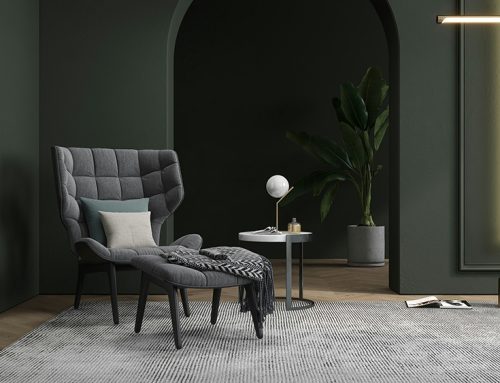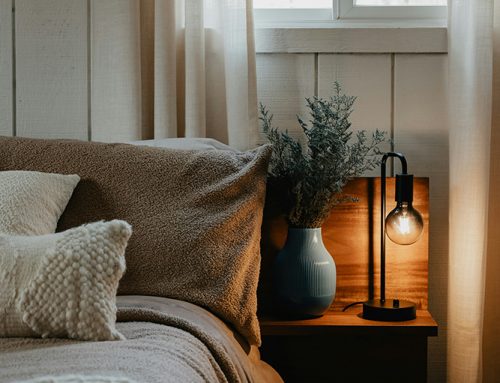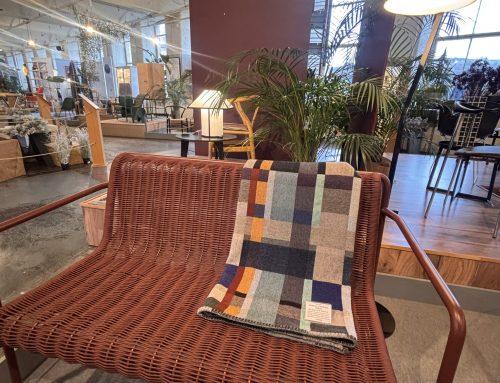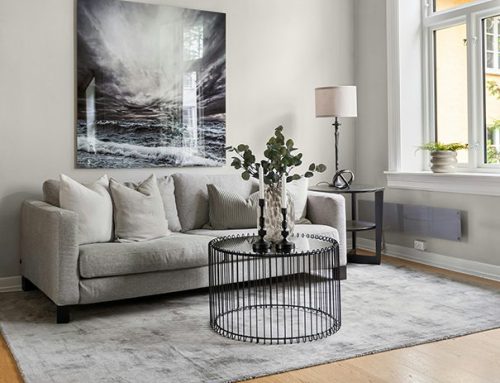
In the Wylde blog this week we’re kicking off the month with February Form & Function: Designing Spaces That Work. February is often a quieter moment in the design calendar. The urgency of January has eased, the year has begun to take shape, and there is space to reflect. It is a fitting time to return to the fundamentals of interior architecture, and to revisit one of its most enduring principles: the relationship between form and function.
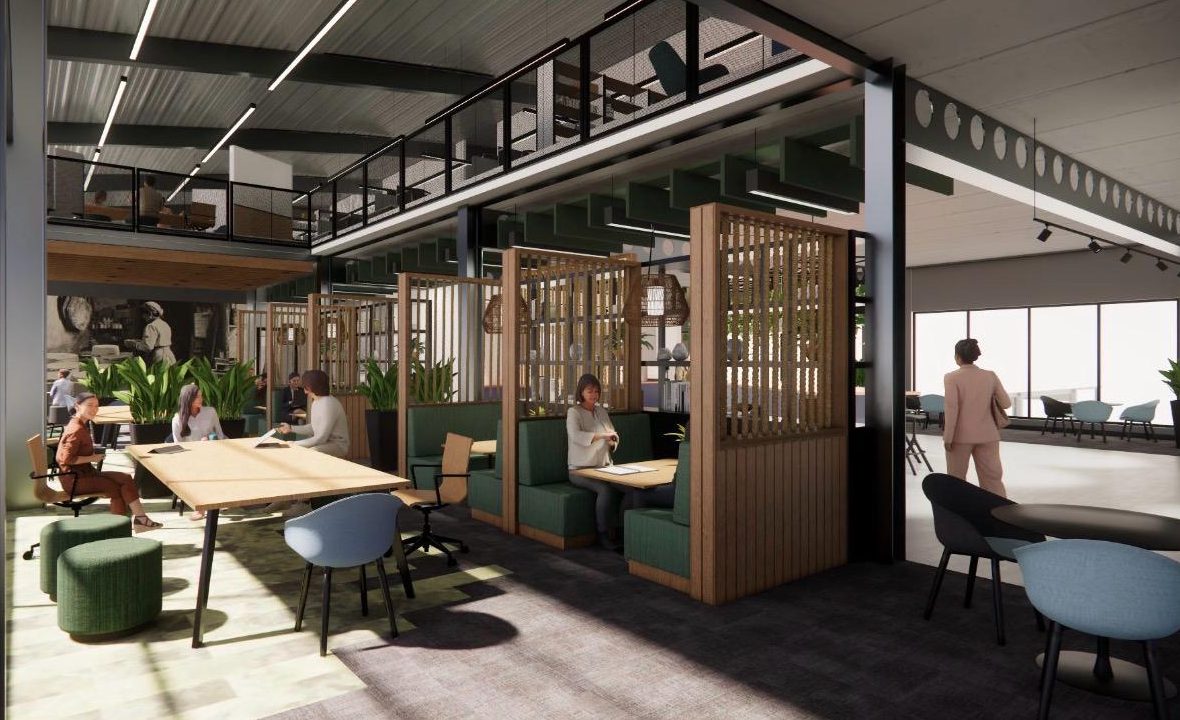
At its best, interior design is not about spectacle or excess. It is about creating spaces that support the way people live, work, and move through the world. At Wylde we always say that its not just about colours, curtains and cushions. It’s a complex puzzle of how best to fit people into spaces, functionally and ergonomically. The end result is not just glossy photos of stylish interiors, it requires intense collaboration and understanding between the designers and the Client team. Our role is to bring everything together, shaping internal spaces to achieve successful open and closed environments, air flow, lighting, acoustics, furniture, decorations and branding. We aim to give our clients the best possible use of their space, the best environment for their business, success on day one of occupation, and flexibility into the future. While visual appeal is important, a space that looks impressive but fails to function well quickly loses its value. Conversely, purely functional environments can feel rigid or uninspiring. The most successful interiors sit comfortably between the two, where purpose informs aesthetics and design decisions are grounded in use.
Designing spaces that work begins with understanding how they will be occupied. This means looking beyond floor plans and considering behaviour, routines, and patterns of movement. How a space is entered, how it flows from one area to another, and how different zones relate to each other all contribute to its success. When these relationships are carefully considered, interiors feel intuitive rather than imposed.
The structural and spatial decisions made early in a project often have the greatest impact. Layout, proportion, ceiling heights, and transitions define how a space is experienced long before finishes are introduced. Thoughtful interior architecture resolves these elements quietly and confidently. Storage is integrated rather than added later. Circulation feels natural. Spaces are neither underused nor overworked. When done well, these decisions are rarely noticed because the environment simply functions as it should.
Material choices further reinforce the balance between form and function. Beyond appearance, materials affect durability, acoustics, comfort, and maintenance. Timber, stone, and plaster bring warmth and texture, while carefully selected finishes ensure longevity in areas of frequent use. Textiles soften spaces both visually and acoustically, and joinery can define zones while offering practical storage solutions. When materials are chosen with intention, they support the purpose of a space while contributing to its character.
A well-designed interior also considers how it will adapt over time. Needs change, uses evolve, and flexibility becomes essential. Spaces that allow for adjustment without compromising clarity tend to age more gracefully. This does not require complexity, but rather thoughtful planning and restraint, ensuring interiors remain functional and relevant long after completion.
February offers a natural pause to reflect on these principles. It is a moment to step back from surface-level decisions and focus on what makes a space truly successful. Form and function are not opposing forces; they are complementary elements that, when aligned, create interiors that are both beautiful and effective. At Wylde, we believe interior design is rooted in understanding space, structure, and human experience. This February, we’re focussing on the essentials — designing spaces that work, with purpose, balance, and longevity!