This week in the Wylde blog we’re talking about instinctive interior design. There’s a certain kind of interior design that doesn’t shout for your attention. You walk into the space and immediately feel grounded, oriented, at ease—but you couldn’t necessarily say why. Nothing is trying too hard, and yet everything feels intentional. That’s the essence of instinctive interior design—spaces that just make sense, before your brain even has time to analyse them.
We’ve been thinking about this a lot lately at Wylde. Instinctive design isn’t about minimalism, maximalism, or any particular aesthetic. It’s about how a space communicates—without words. It’s when a room gently guides your movement, invites a certain mood, or supports a specific behaviour, without needing signs, instructions or overly conscious effort. Its how you experience a space and feel your way through it.
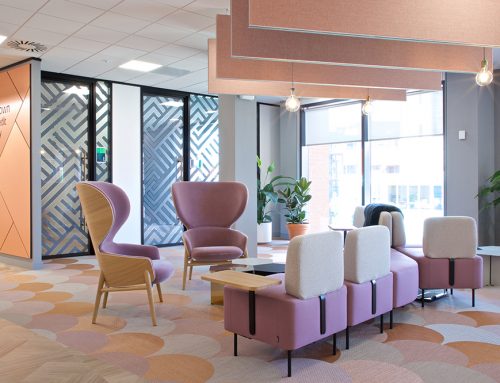
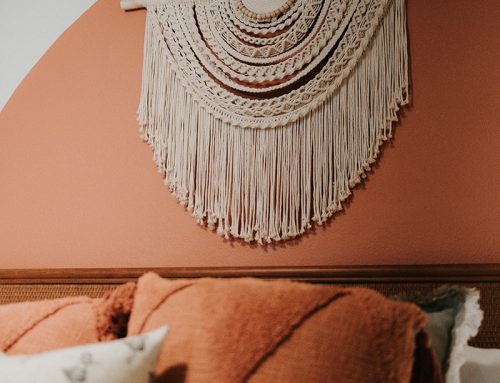
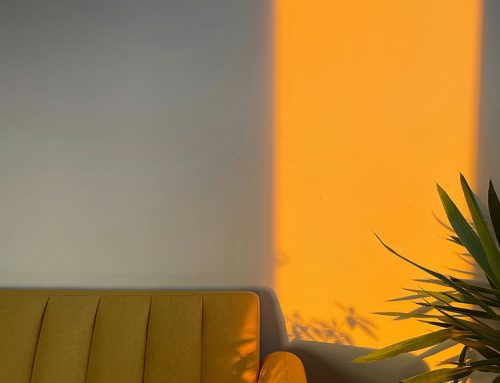
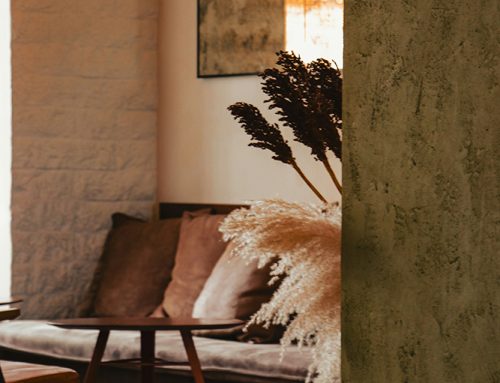
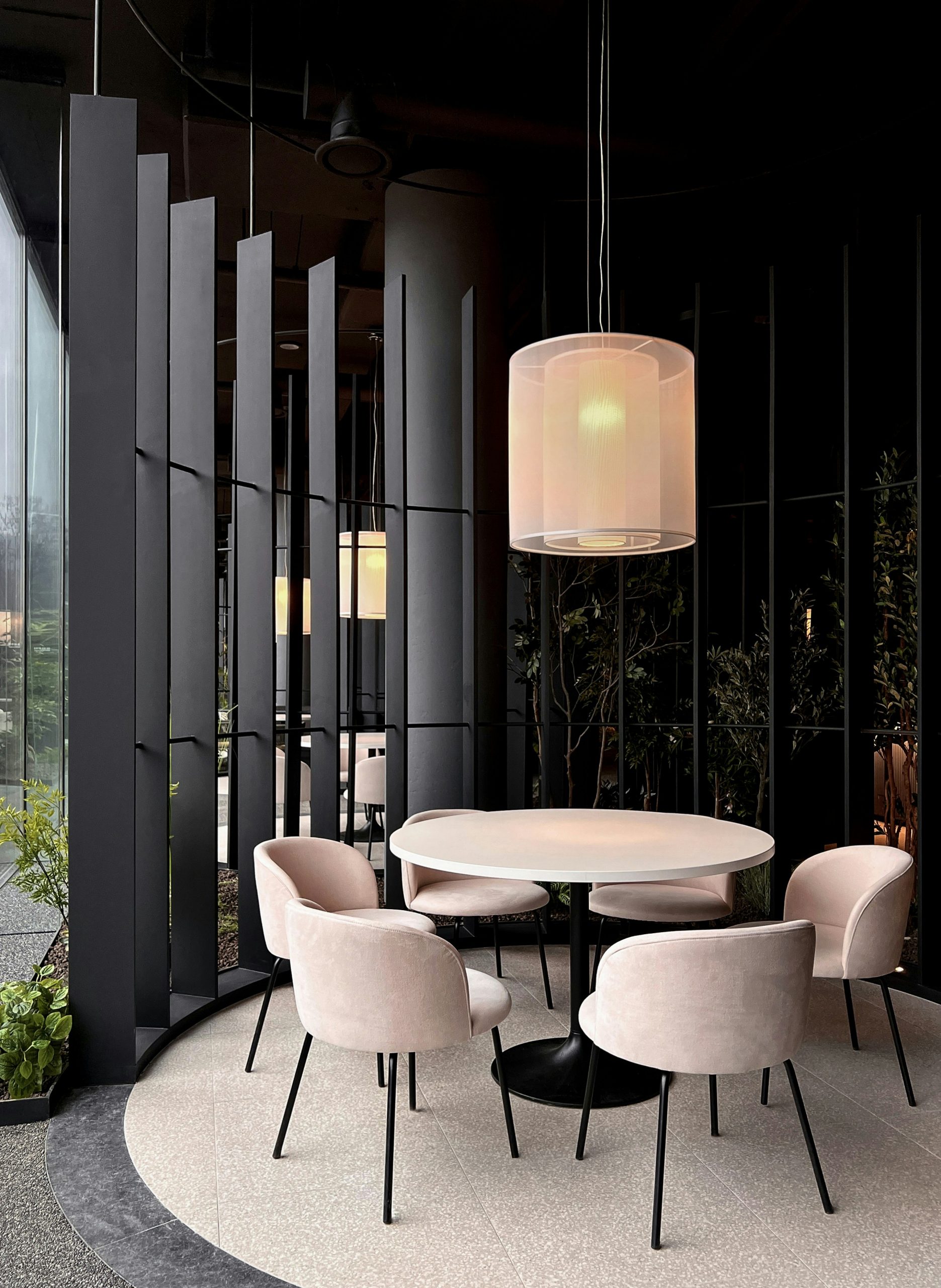
Visually, this can take many forms. It might be the way light pours into a room and naturally draws people toward communal areas. Or the use of timber and warm textiles to soften a space that could otherwise feel cold and functional. It might be an intuitive zoning of open plan offices—where quiet corners feel tucked away without being isolated, and collaborative spaces carry just the right energy. Even the layout of furniture can nudge people to interact (or not), without making them feel managed.
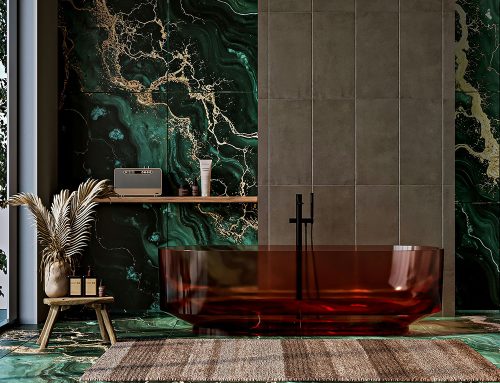
Instinctive design plays with rhythm and contrast. It uses repetition and variation in texture, colour, and form to create harmony. There’s often a restrained palette, not because it’s fashionable, but because it allows the people and activity within the space to take focus. Materials are chosen not just for their look, but for their feel, their tactility, their longevity.
Importantly, instinctive doesn’t mean accidental. Quite the opposite—it’s the result of rigour, observation, and subtle choreography. Designers (like us!) who create instinctive spaces are deeply tuned into human behaviour and how our people will actually utilise and exist in a space. We think about where people put their bags, where they pause for breath, which route feels more natural, and which angle gives a feeling of openness or privacy. It’s design that anticipates need before it’s voiced.
When done well, it creates a sense of emotional clarity. You don’t feel lost. You don’t feel on edge. You don’t need to overthink. In an age where our attention is constantly fragmented, this type of design offers something rare—ease. It doesn’t try to impress. It doesn’t perform. It just works, in a way that feels… right.
At Wylde, we see instinctive interior design as the future of meaningful placemaking. Not simply designing for trends or statements, but creating environments that respect how people really move, feel, and live. It’s design that fades into the background—until you realise how good you feel in the foreground!