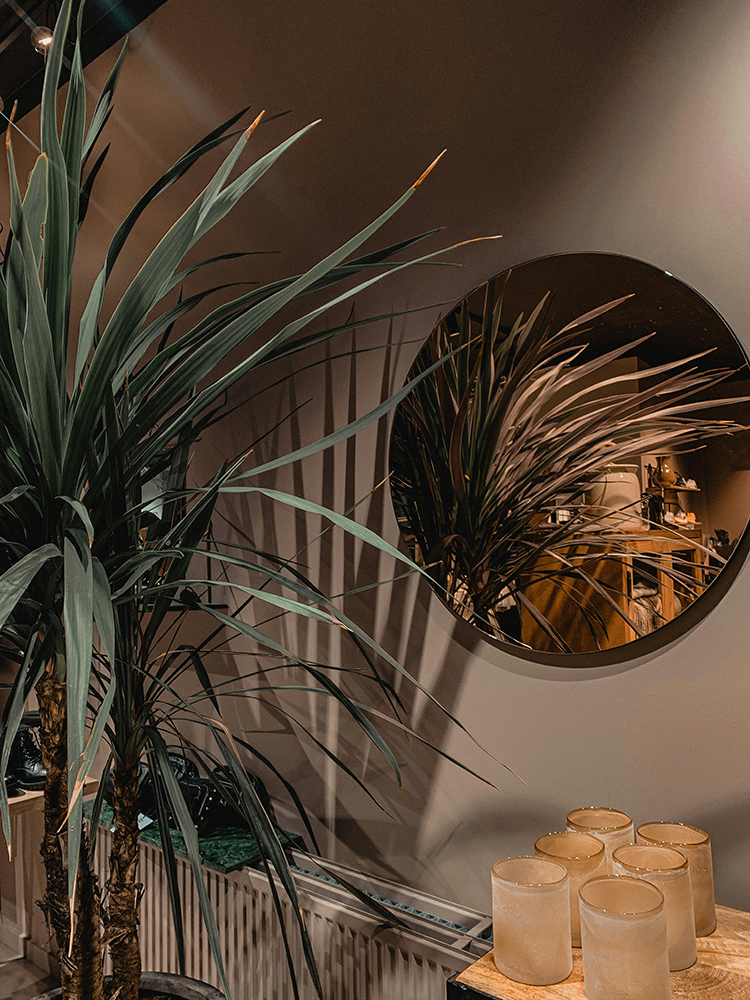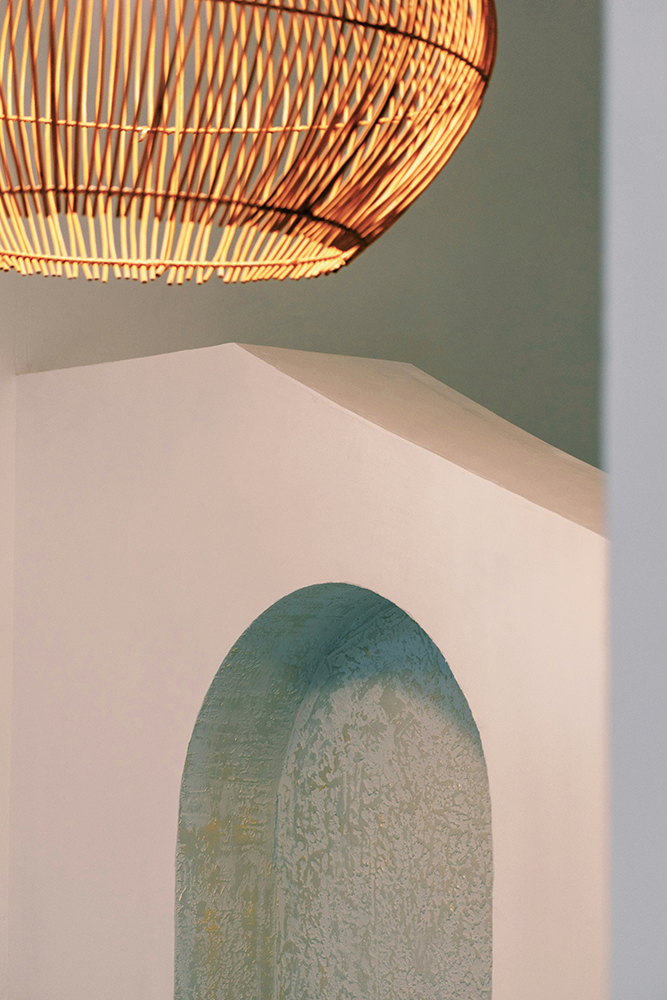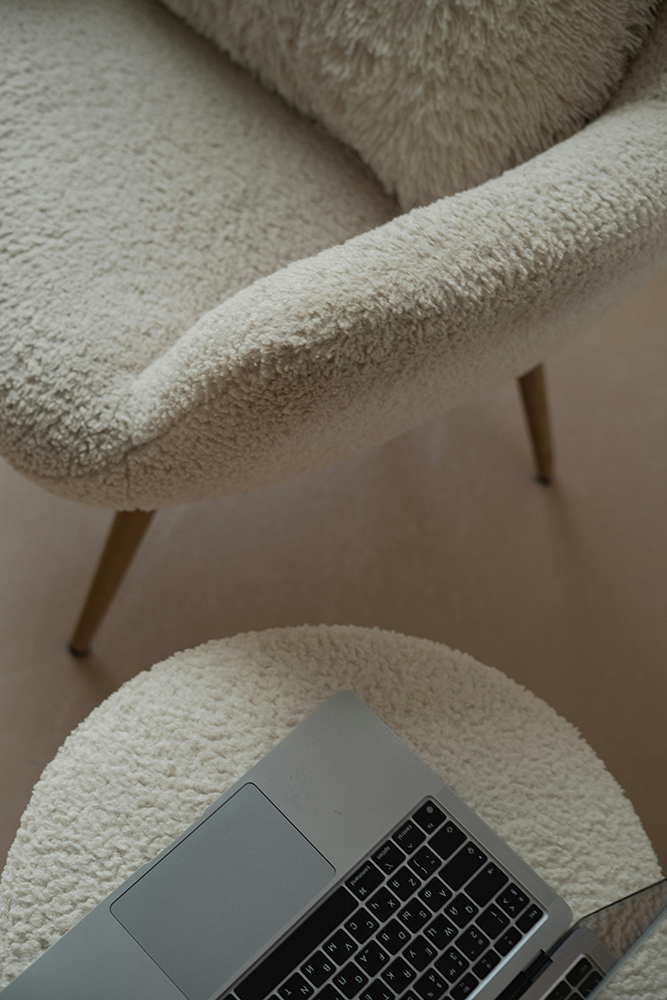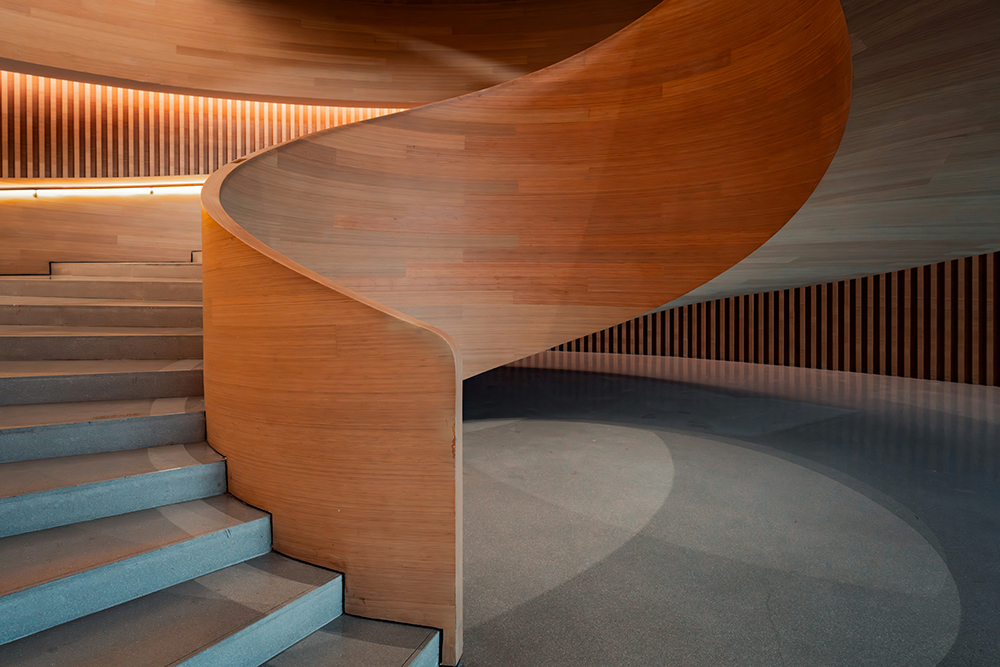
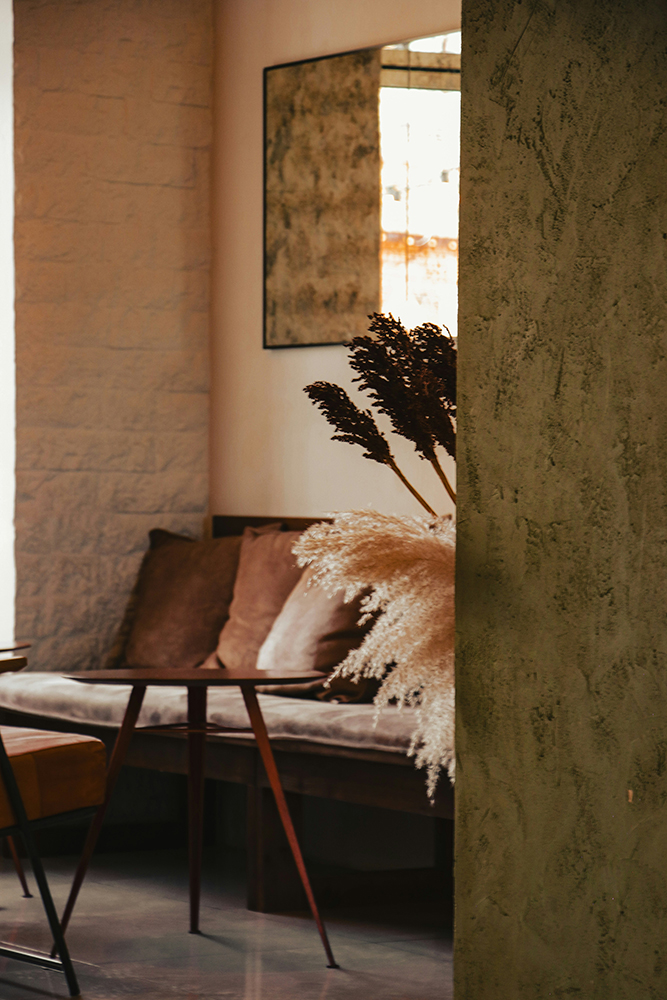
It’s March, so we’re talking material matters. At Wylde we believe the success of an interior lies in make-up of its materials. When fabrics, furnishings, tiles, textiles and flooring are designed with both function and aesthetics in mind, a space becomes intentional. It becomes considered, adaptable and enduring. We always spend March on the look out for spring and whilst that may not always happen, it’s still a month that feels like a turning point. The light shifts, the days lengthen and spaces we have inhabited all winter begin to reveal themselves differently! Surfaces catch the sun at new angles and so textures and textiles either glow or fall flat.
Interiors are not defined by layout alone, but by the materials that shape how a space feels, performs and endures. Materials are never the afterthought! In interior architecture, materials are such a crucial part of any scheme. A beautifully planned space can be undone by poor specification, just as a small room can be elevated by thoughtful layering of texture, tone and tactility! Textiles not only feel good but they also soften acoustics and temper light, certain fabrics influence comfort and longevity. Every surface we experience in an interior design scheme contributes to the narrative of that project.
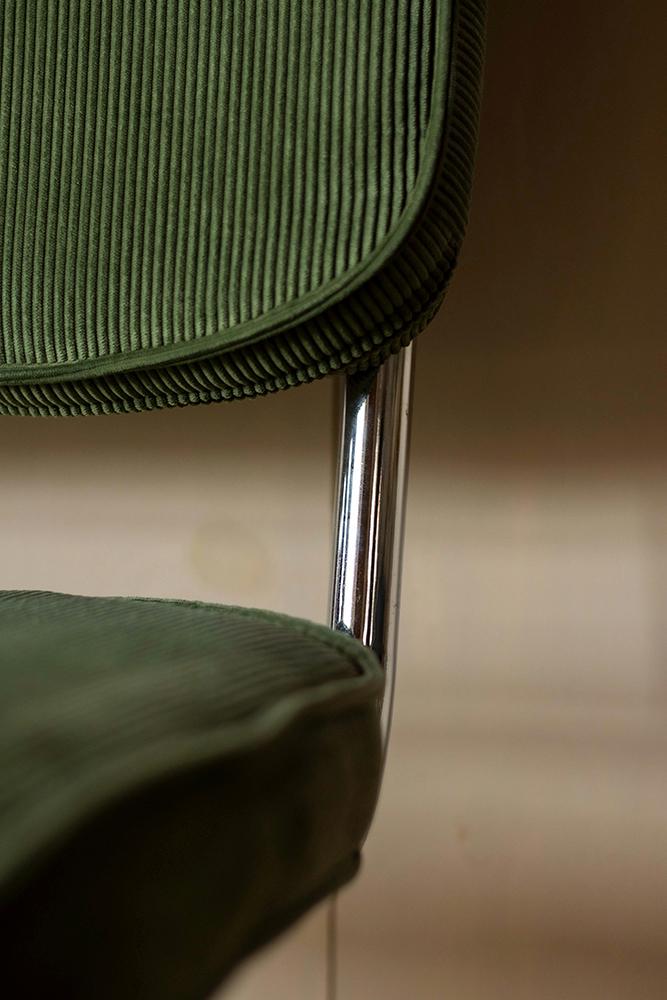
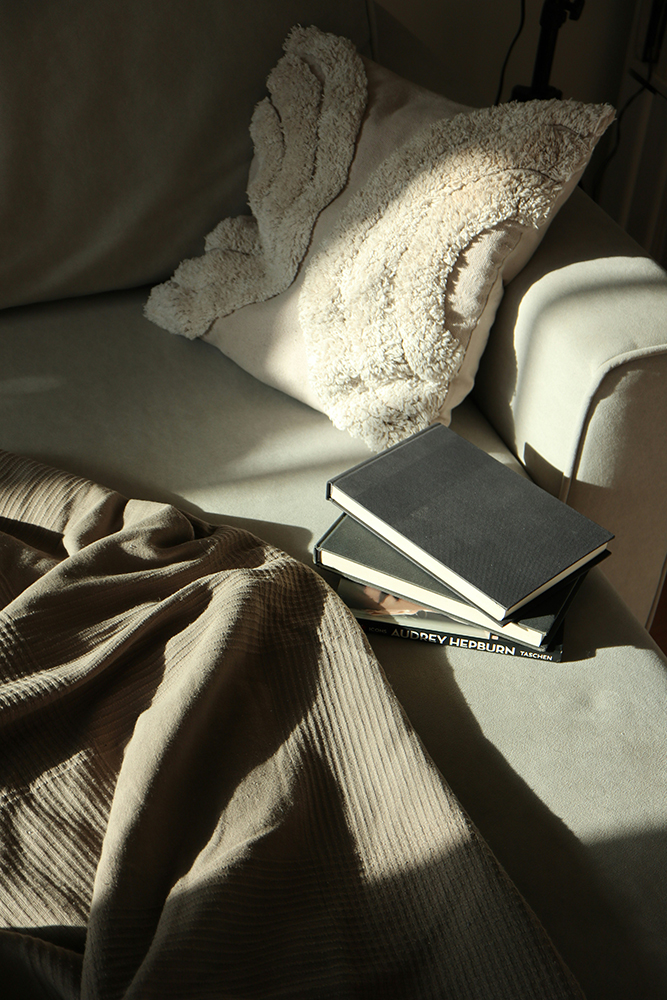
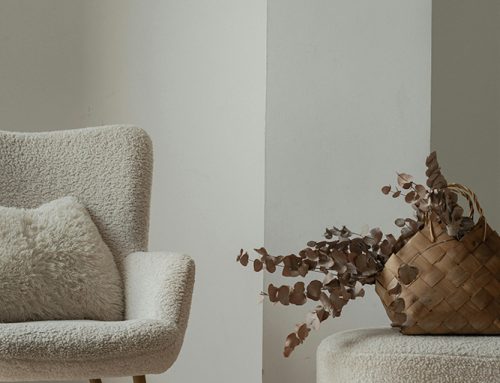
Trending this year we are seeing a confident move towards depth and authenticity in material palettes. Rather than flat, uniform finishes, designers are embracing tactile versatility. Bouclé is still big, continuing to evolve beyond occasional chairs into considered upholstery choices, offering warmth and subtle texture without overwhelming a scheme. Patterned textiles and prints are returning too, but in more nuanced ways: oversized geometrics softened through natural fibres, heritage-inspired prints reimagined in contemporary colourways and stripes that create movement without it being overkill.
Natural materials remain central in 2026, and they are being specified with greater care and intention. Engineered timber flooring with visible grain variation offers durability without sacrificing beauty – its a classic. Porcelain tiles can convincingly replicate limestone and terrazzo while delivering superior performance in high-traffic environments. Recycled and low-impact fabrics are no longer niche but, thankfully, increasingly integral to responsible specification.
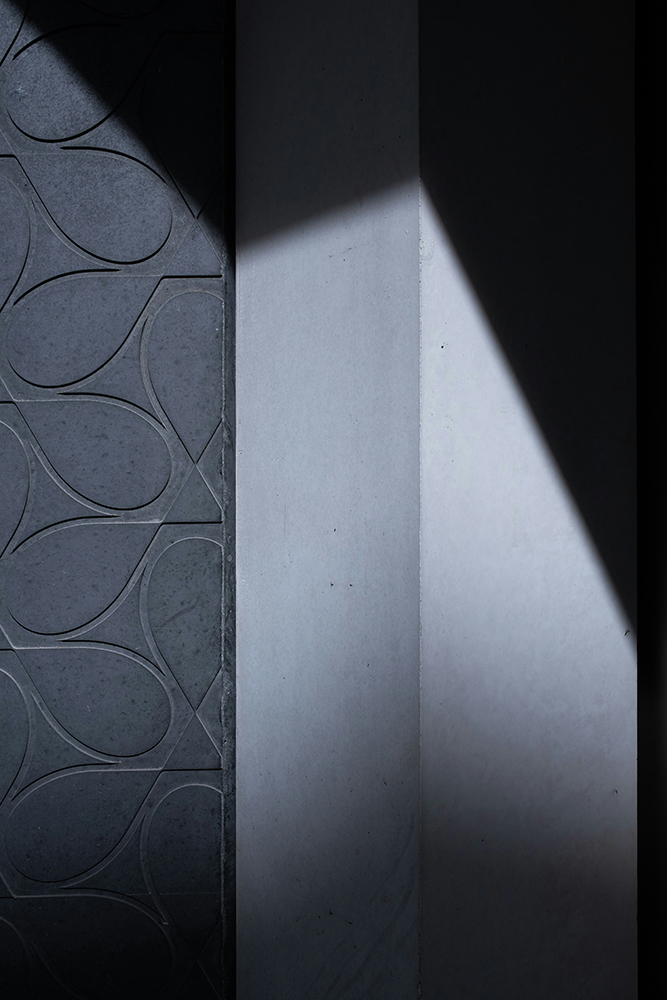
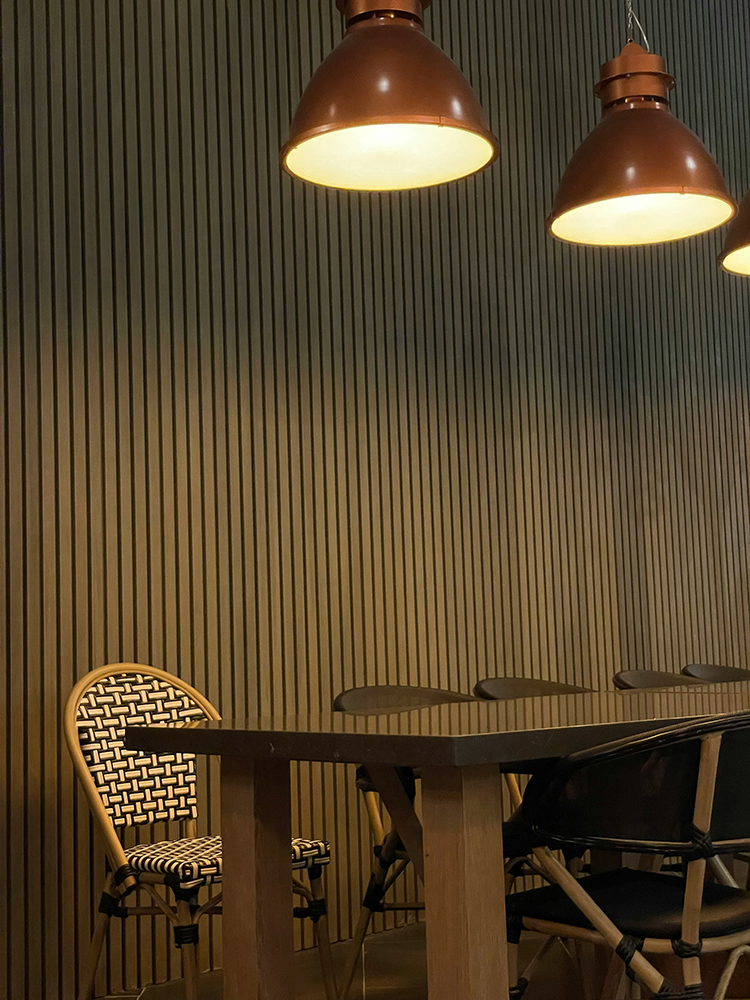
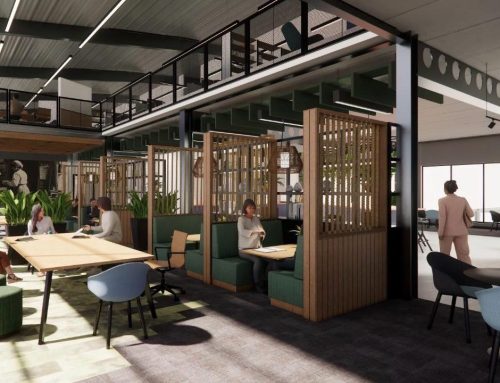
At Wylde, material decisions are rarely made in isolation. In workplace projects we’ve designed, we have introduced textured wall panels and woven acoustic fabrics not simply for visual interest but to manage sound and in turn, support employee wellbeing. The flooring transitioned subtly between zones, using shifts in tone and finish to define collaborative areas without the need for physical partitions. In another scheme, we’ve used patterned tiles strategically to anchor a reception space, creating brand identity whilst balancing the simplicity of the surrounding joinery.
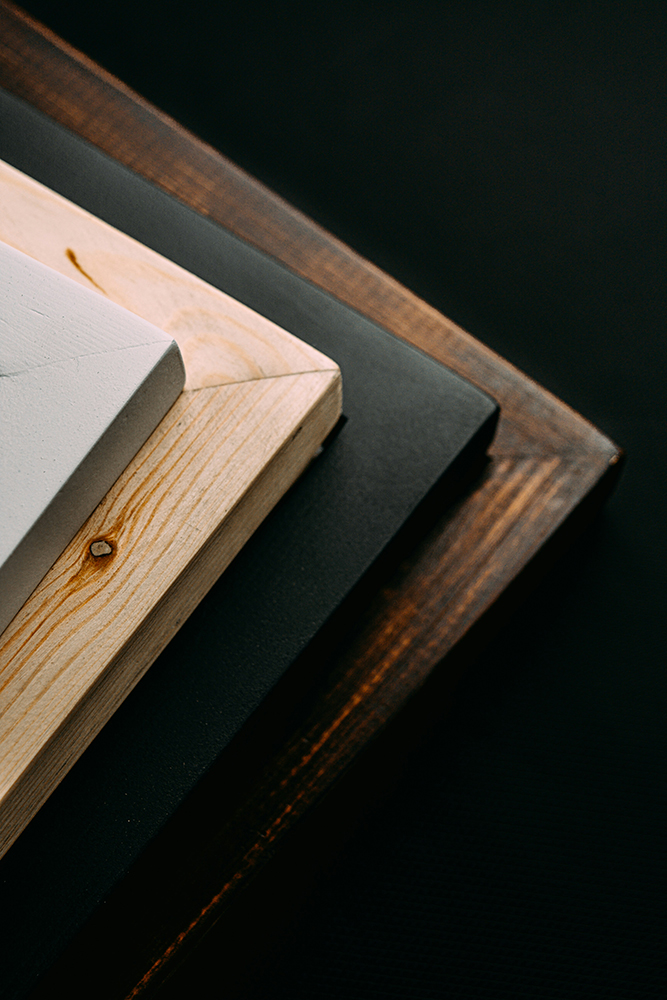
It is often the interplay between hard and soft materials that determines whether a space feels complete or finished. Material contrast like matte against gloss, smooth against tactile, pale against saturated creates a completed feel with depth and interest.
As daylight increases (the clocks change at the end of this month, yay!) reflective surfaces become brighter, colours shift, and textures reveal their intricacies. A fabric that felt cosy in winter can appear heavy in spring so it’s worth sprucing things up – obviously don’t forget we still need to be warm! But the start in seasonal transitions is a useful prompt to reassess material palettes and ensure they continue to support the desired atmosphere in your space!
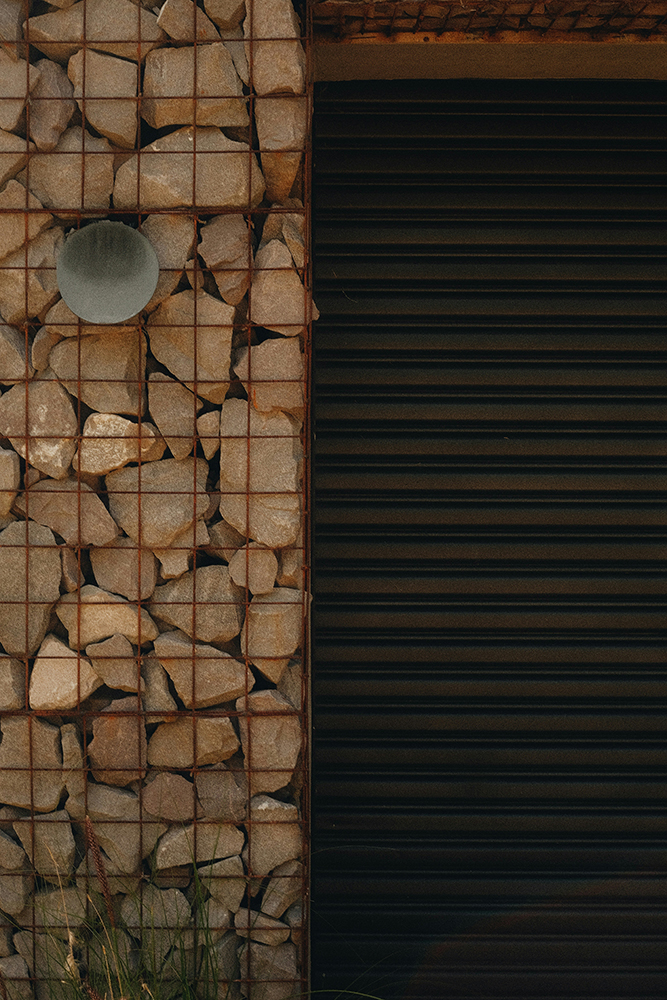
Trending palettes are leaning towards earthy neutrals punctuated with mineral tones: clay, moss, chalk and slate. These hues translate beautifully across textiles, tiles and upholstery, offering cohesion without it being boring. Pattern is being used to inject individuality, but often within controlled colour ranges to maintain longevity. There is a growing appreciation for materials that age well, fabrics that soften over time, metals that stain, age or rust and timber that gains character! Longevity, both aesthetic and physical, is becoming the true marker of quality and we love it.
Material matters because they can truly make or break an interior with the way they shape the daily interaction with a space. They influence comfort underfoot, the way sound travels, how light is absorbed or reflected, and how welcoming a room feels at first glance. They communicate values, sustainability, craftsmanship and innovation – as well as great design, of course!
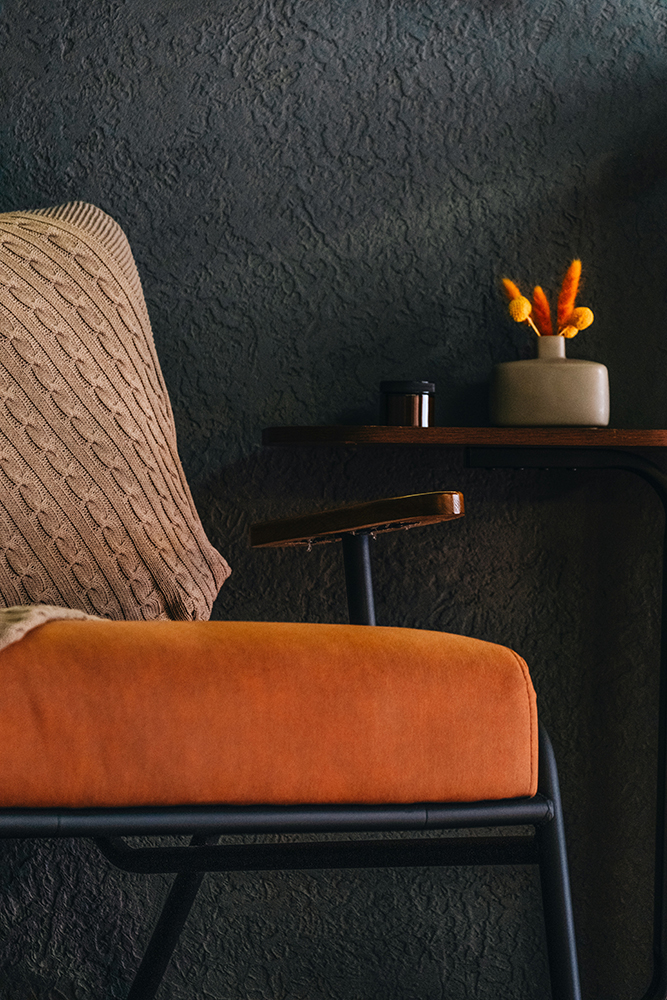
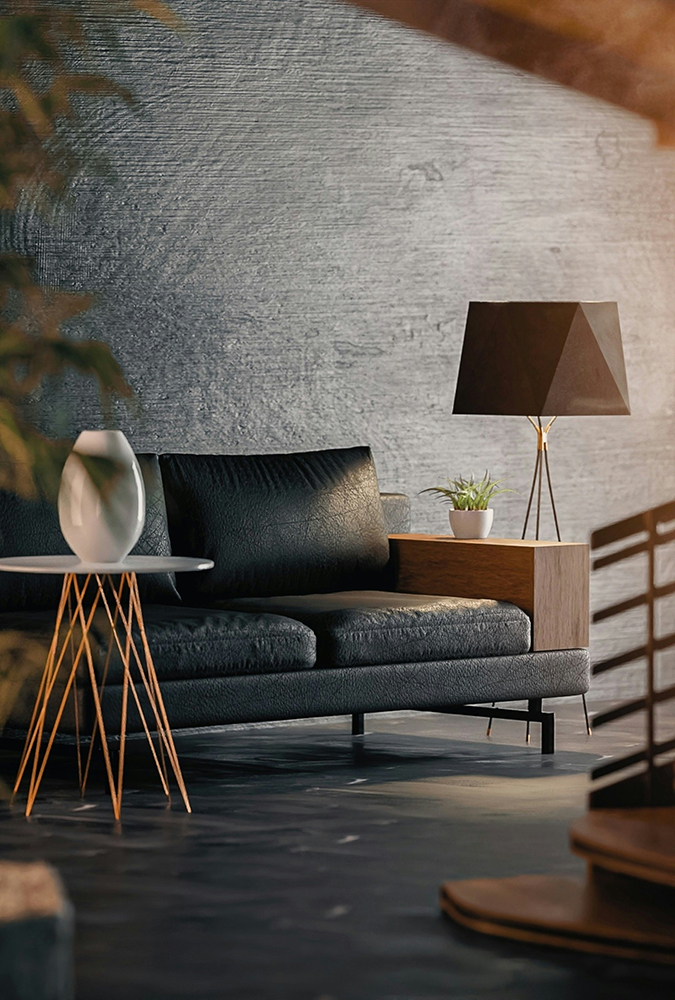
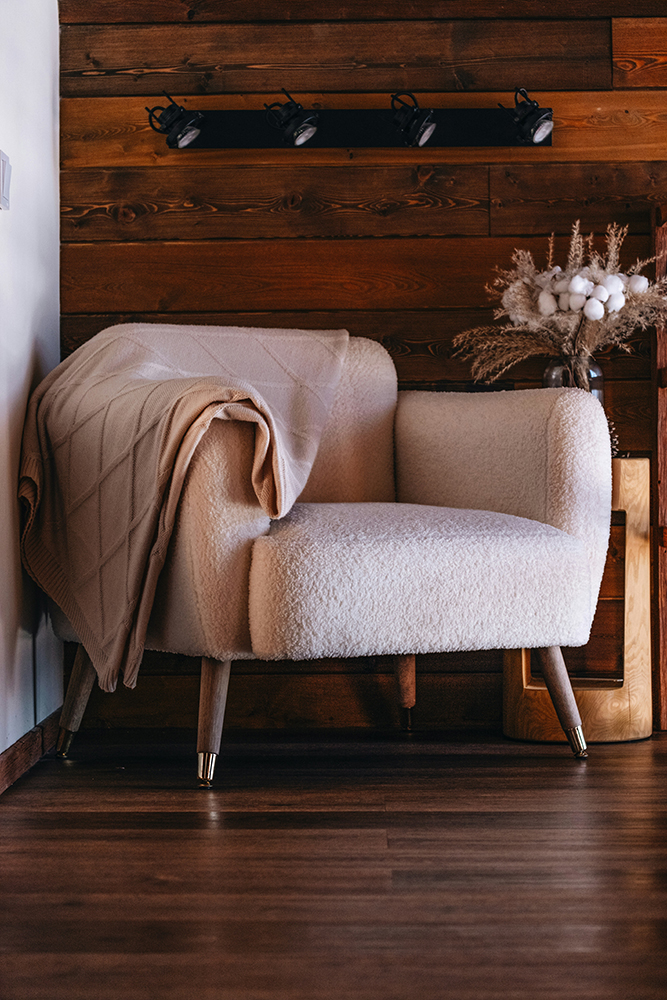
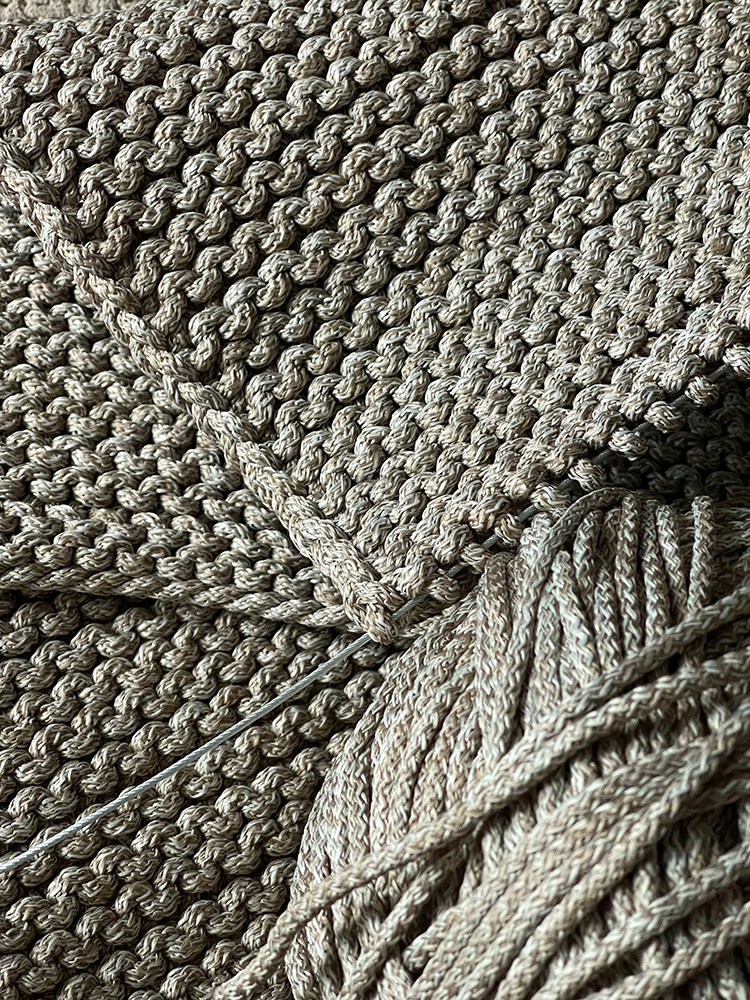
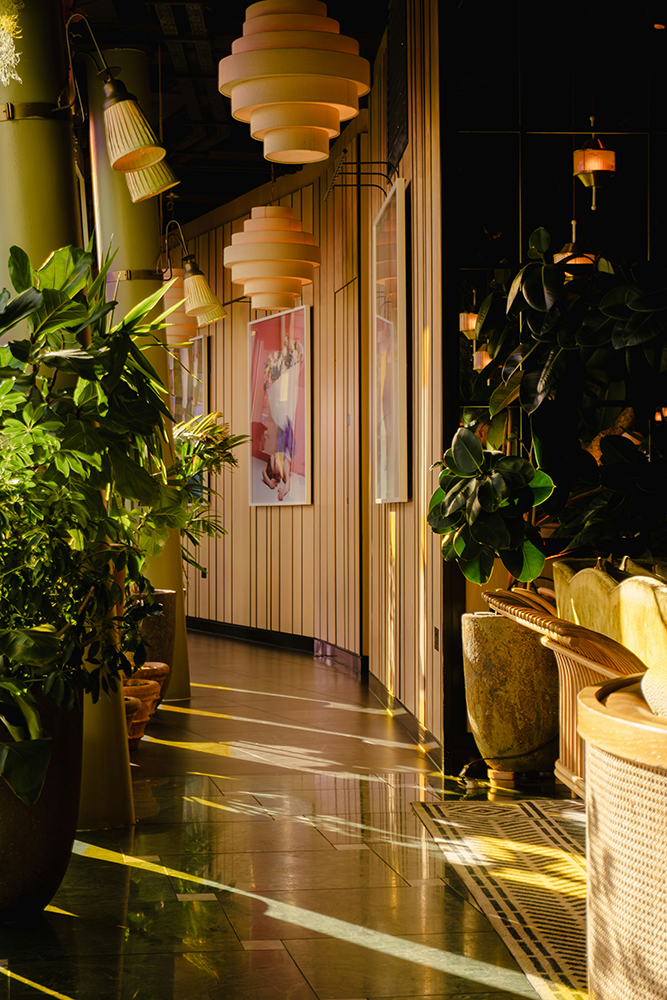
Check out the gallery we’ve compiled for some material focussed design inspo!