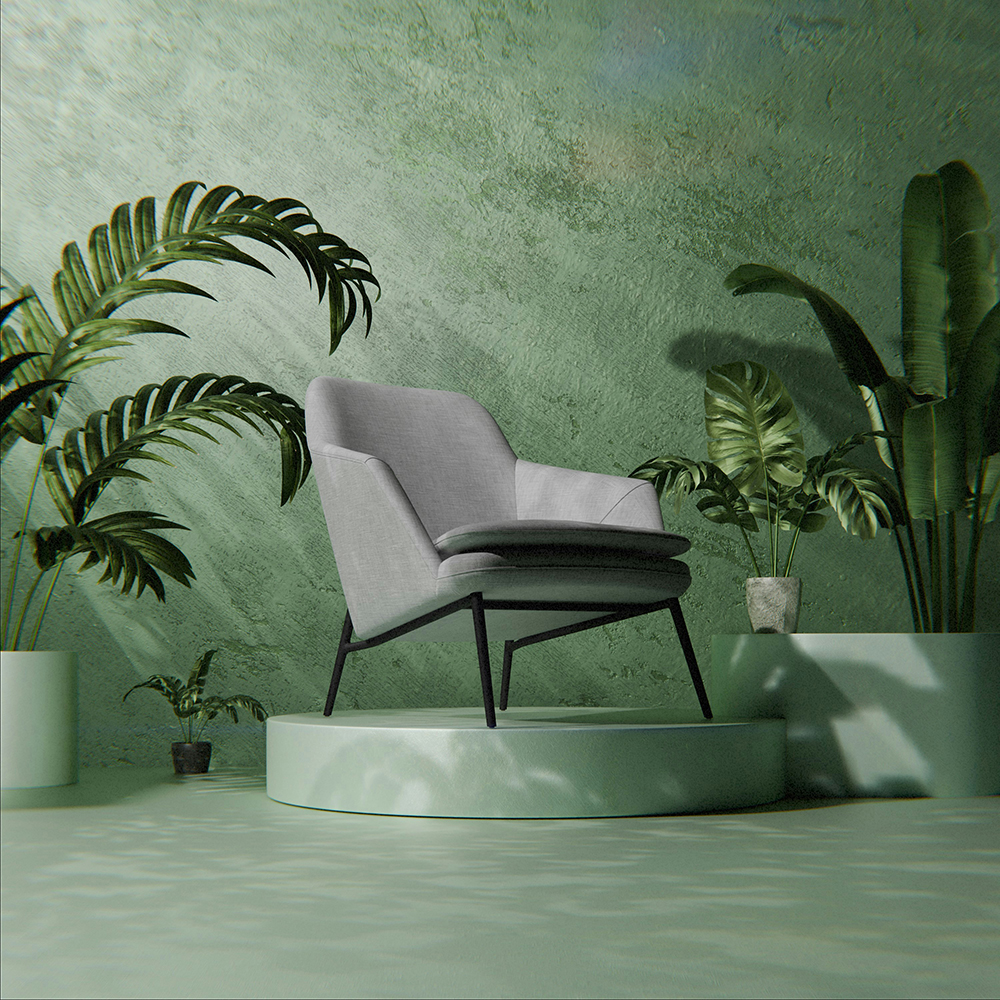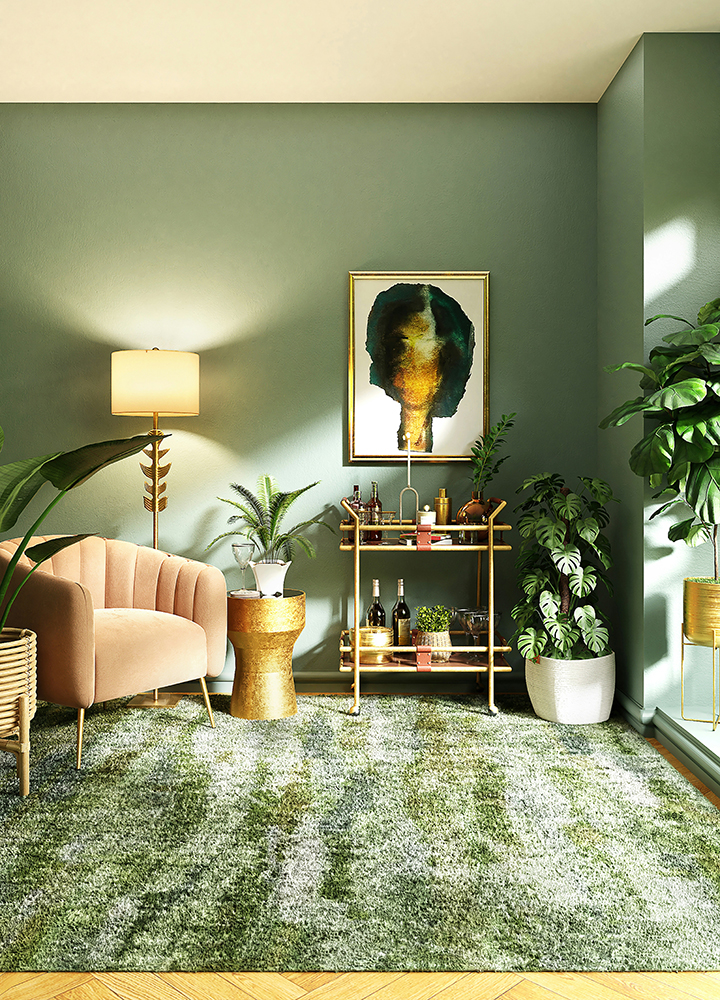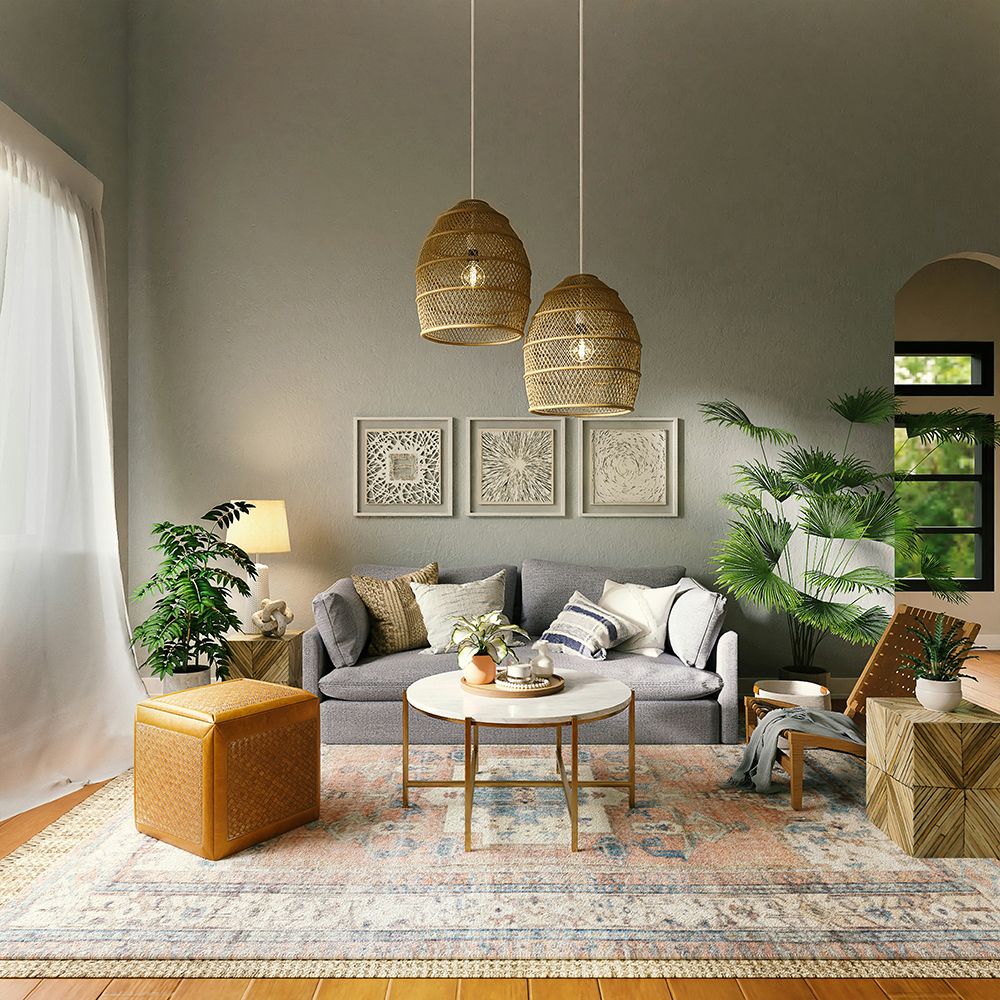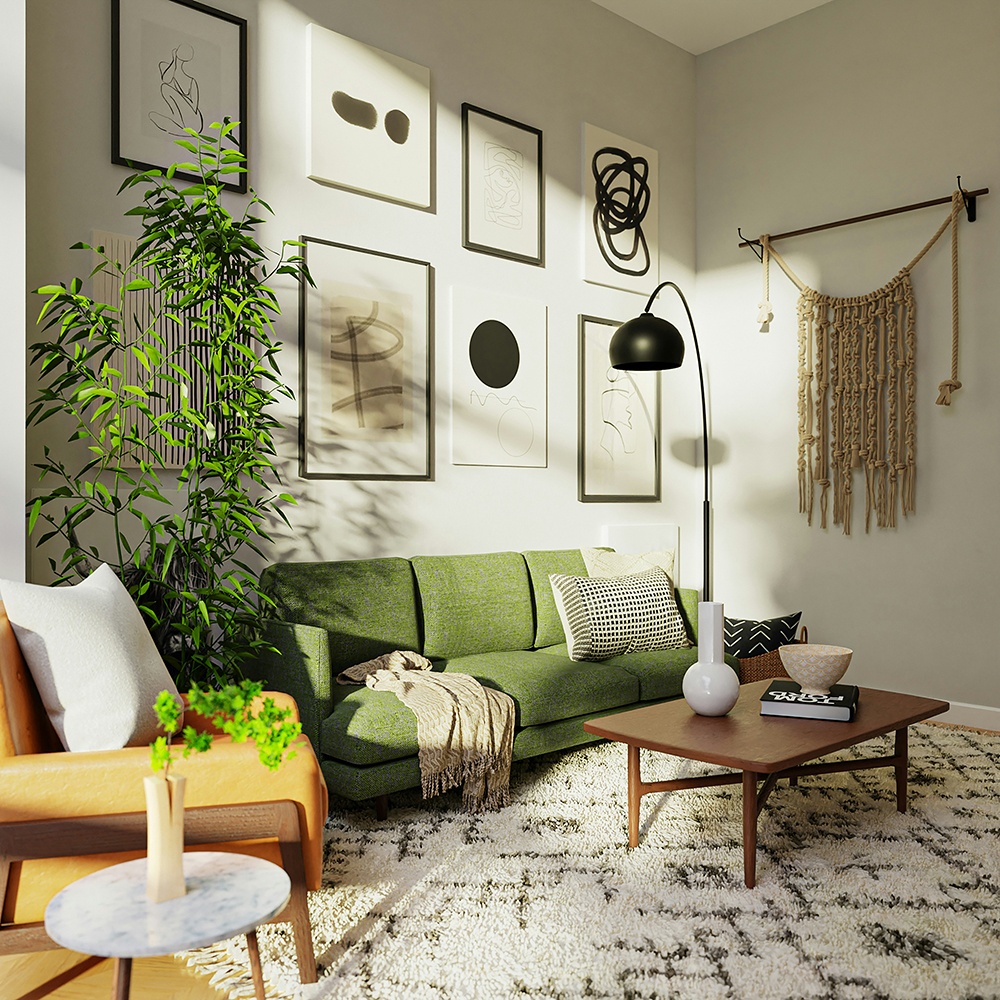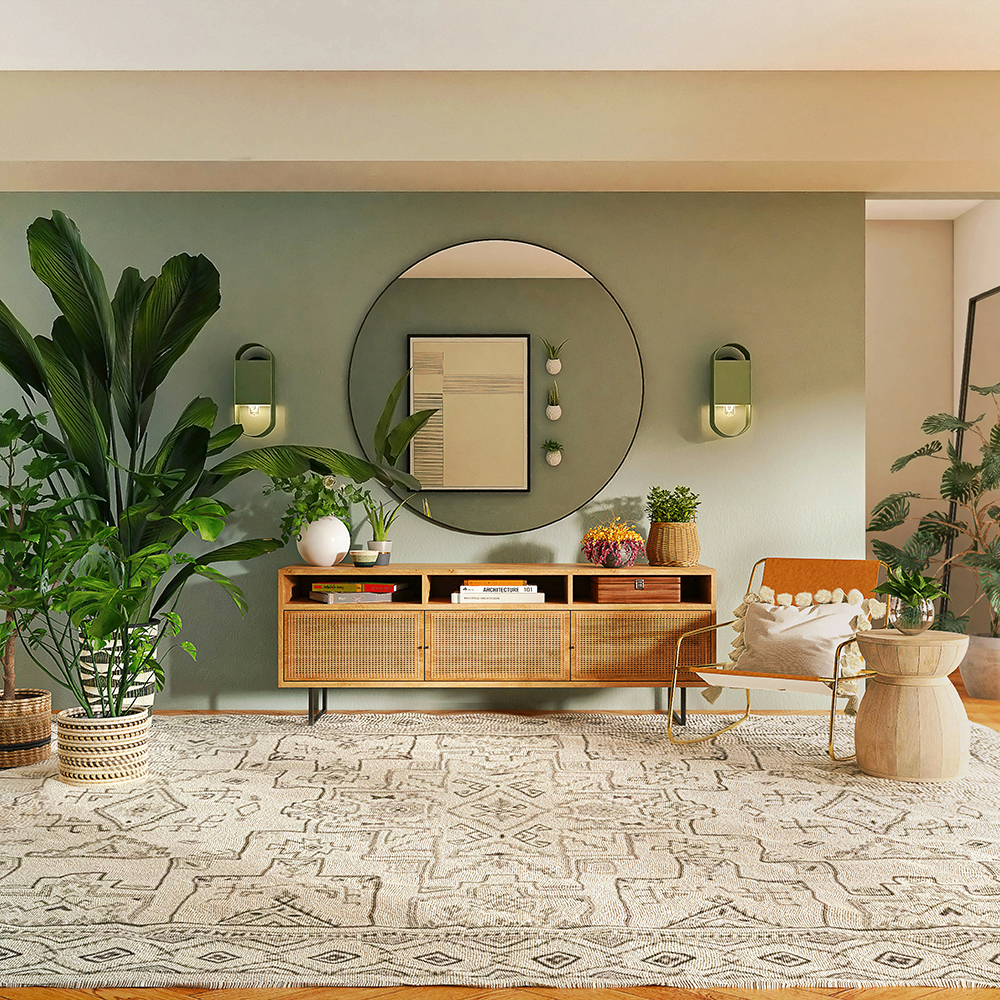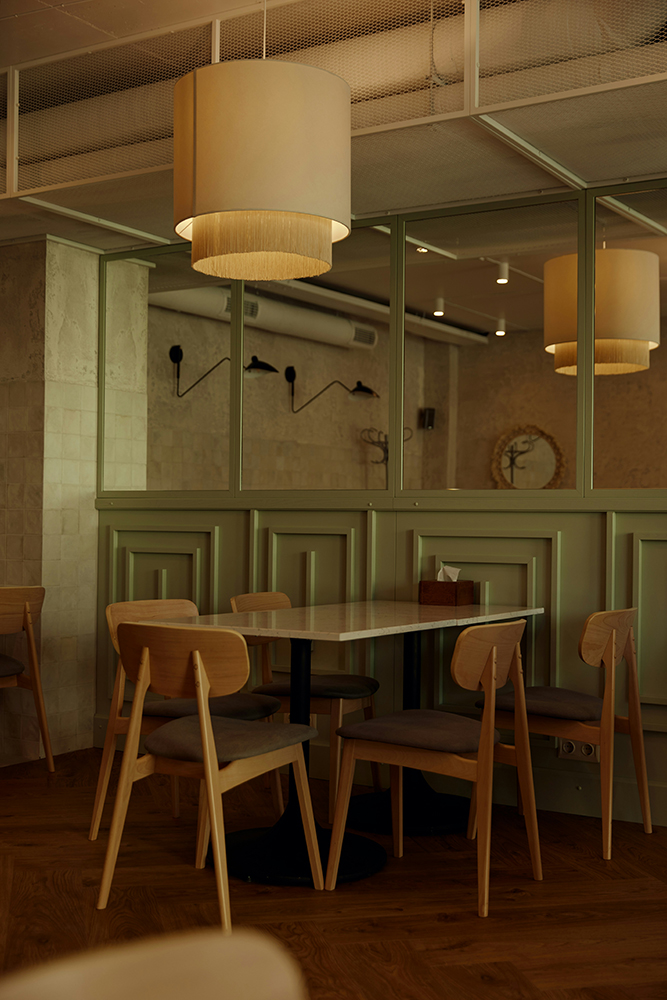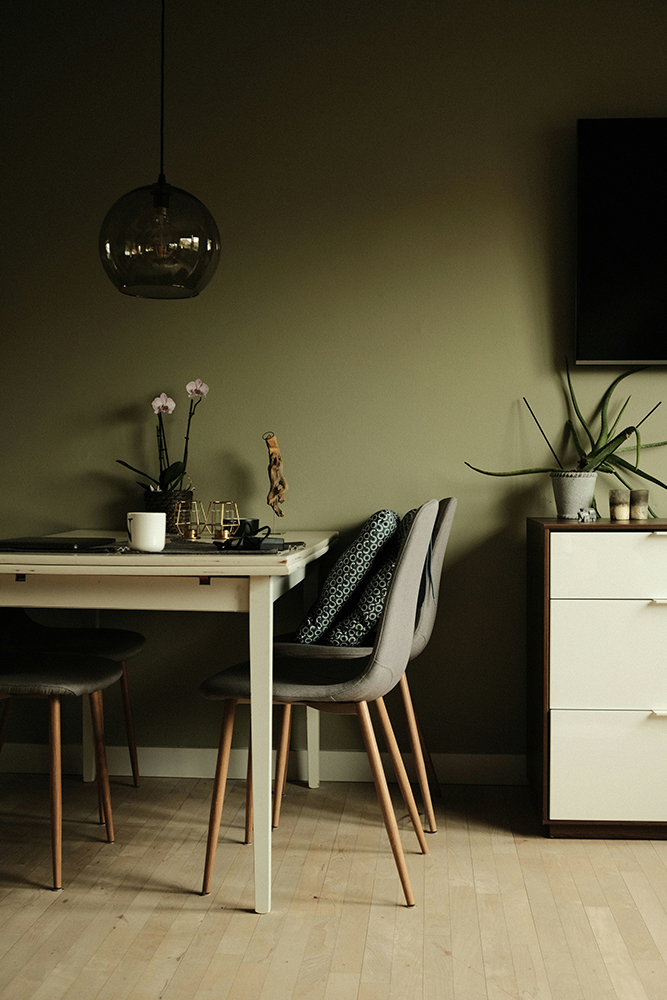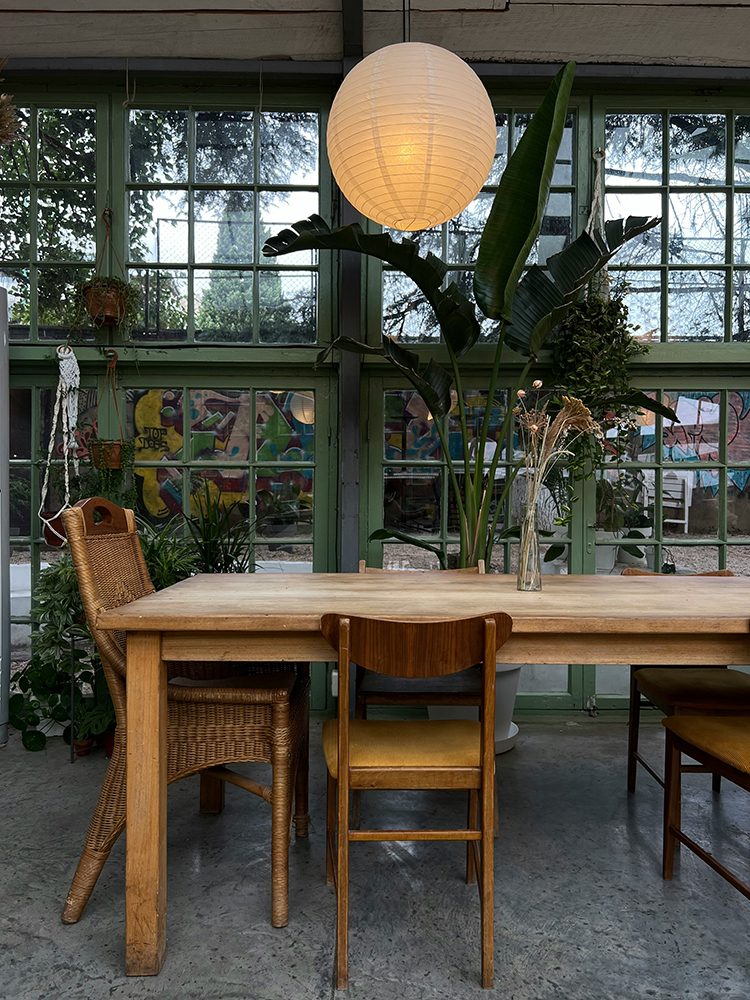
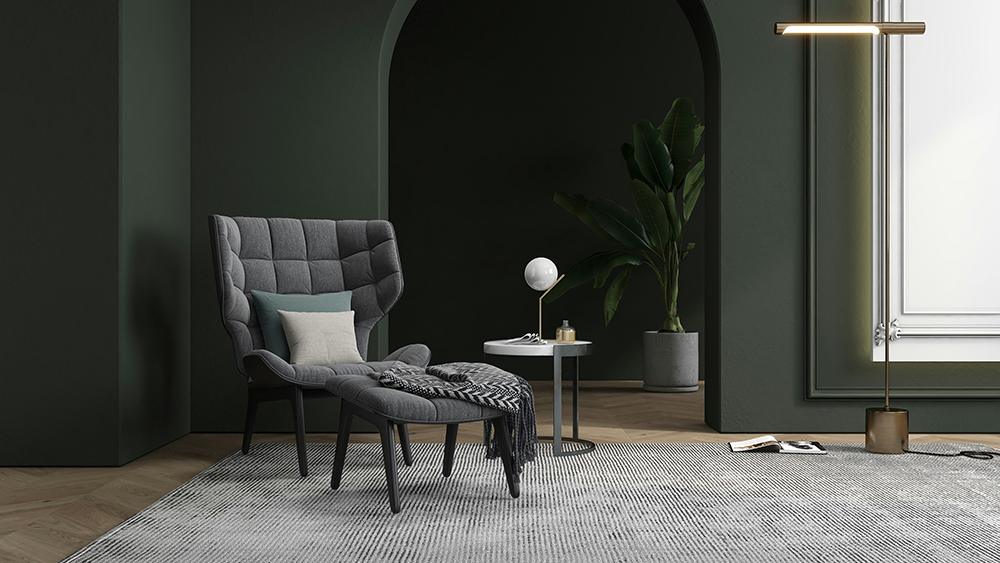
Late January has a very particular feeling. The start of the year has settled, routines are finding their rhythm again and, while we are still very much in the depths of winter, there is a gentle shift towards looking ahead. The days are slowly stretching and with February just round the corner, we’re feeling a quiet readiness for change, even if spring itself still feels some distance away! This week in the Wylde blog we’re looking at ‘Soft Greens’ as a way to create sanctuary during the winter, whilst also creating space to welcome in the (eventual!) shift the seasons towards spring. In our interior design at home, this often shows up as a desire for spaces that feel lighter and calmer, without losing the comfort that is so welcome at this time of year.
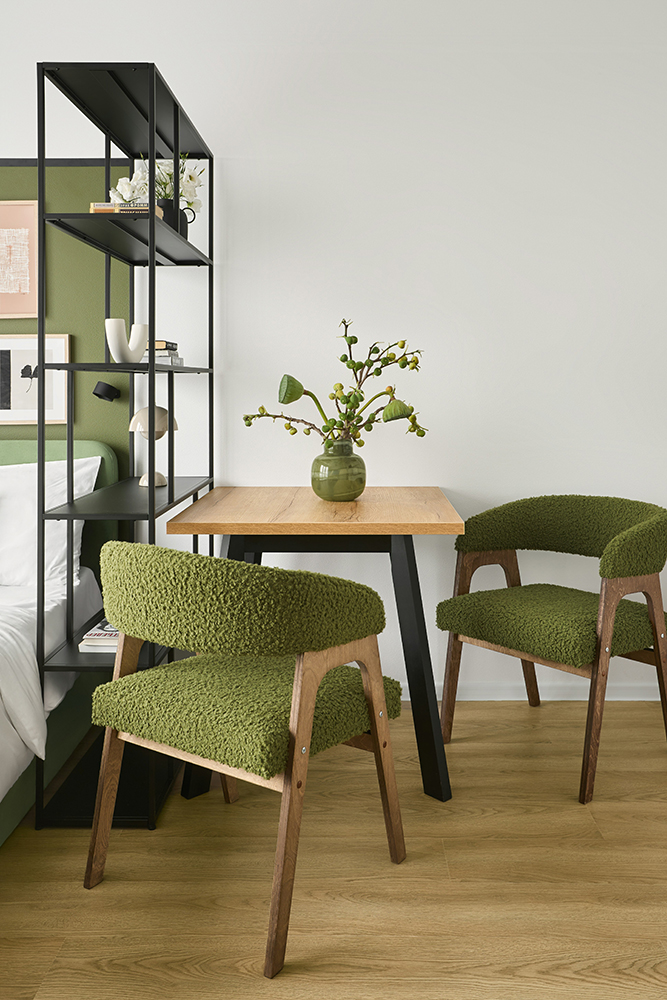
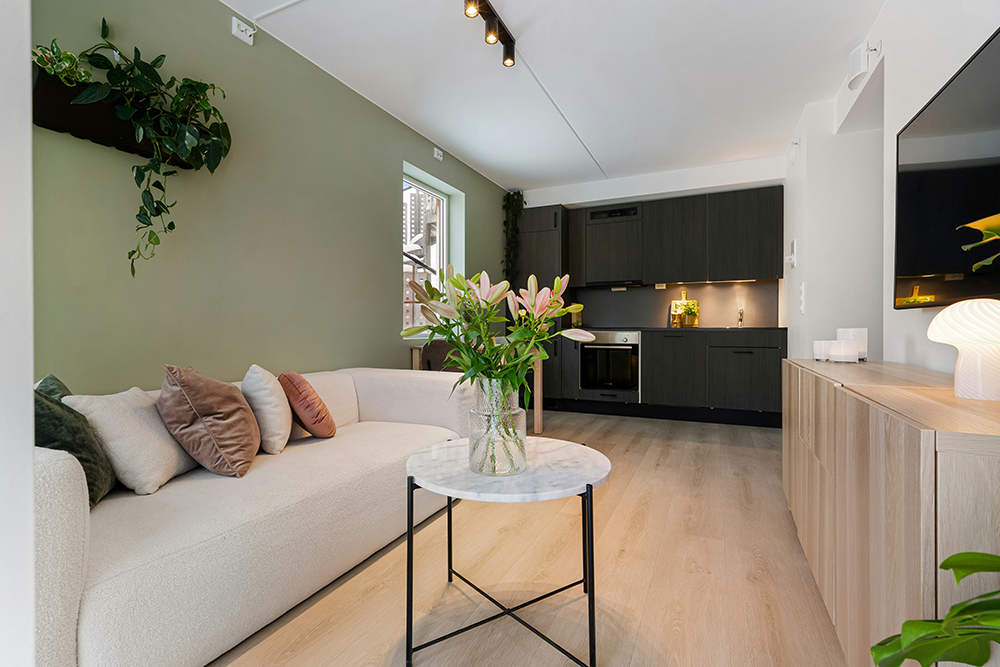
Softer, nature-inspired greens are a beautiful way to begin that transition. Rather than bold botanical shades or deep forest tones, these are muted, understated colours that sit easily alongside winter textures. Olive, eucalyptus, sage and moss work particularly well when paired with warm whites, chalky off-whites and gentle stone shades, creating interiors that feel fresh but not stark. These palettes suit a wide range of properties, from period homes with original features to more modern spaces that benefit from added warmth and softness.
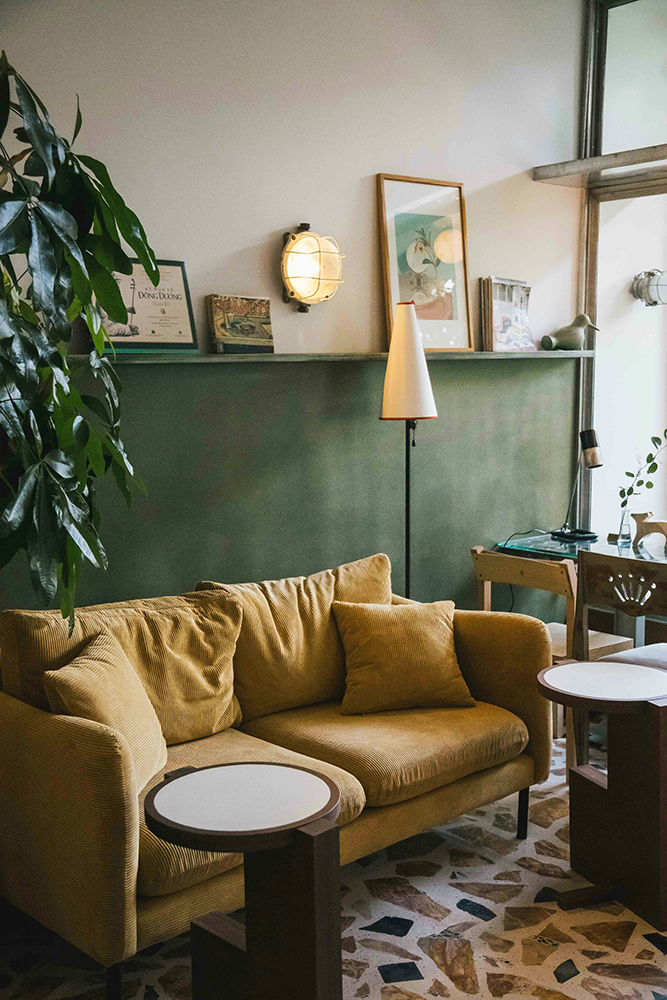
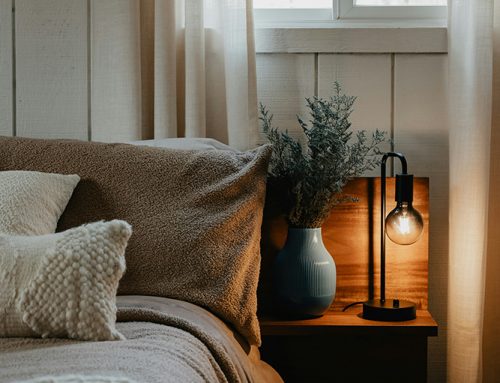
Soft greens can bring a sense of balance and restoration, which is often exactly what we need at this point in the year. It offers a subtle connection to the natural world without feeling seasonal in a literal sense. We’re talking wintery ambience with a chic, nature-focussed twist. We often see these tones across cabinetry, feature walls or upholstered pieces, where they can anchor a room while still allowing flexibility as the seasons change. When layered with natural materials such as oak, ash or walnut, the effect is grounded and timeless rather than trend-led.
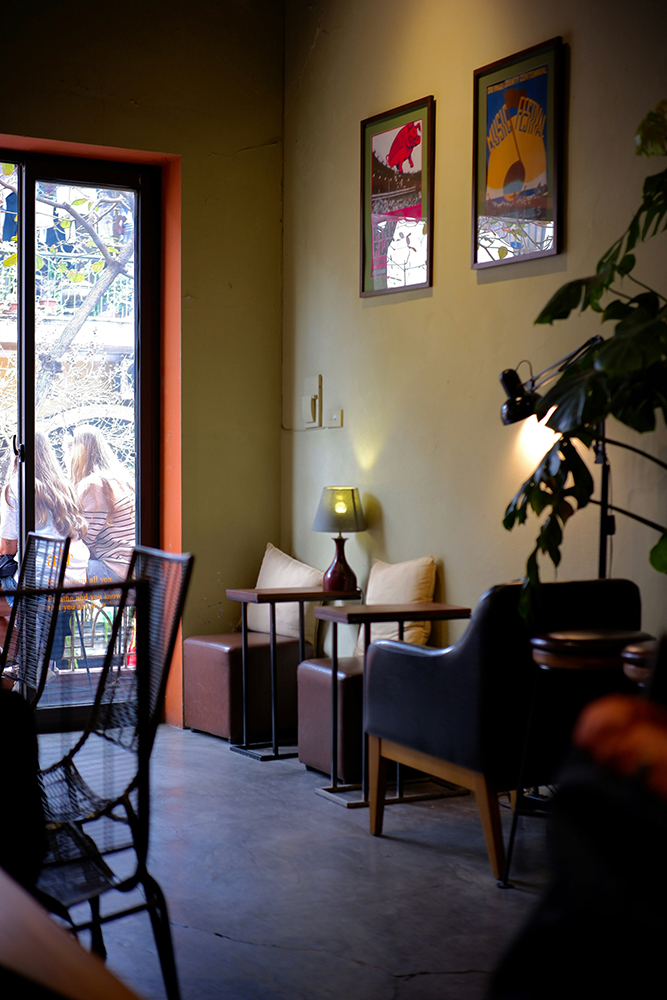
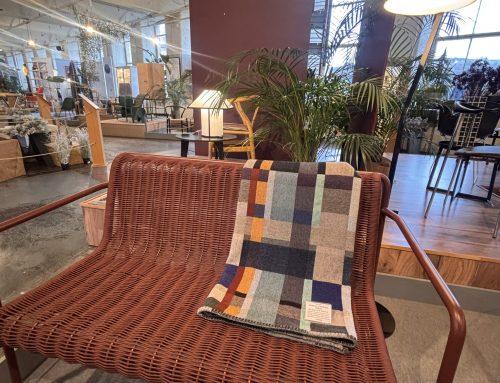
Materials are just as important as colour in creating this in-between seasonal mood. Linen, brushed cotton and wool add softness to seating and window treatments, while limewash or clay-based paints introduce gentle variation and depth to walls. Stone, ceramic and plaster finishes bring a tactile quality that feels calm and reassuring, particularly in living spaces and bedrooms where comfort is key. Even small details, such as aged brass hardware or softly patinated metals, can warm up cooler palettes and give rooms a sense of quiet character.
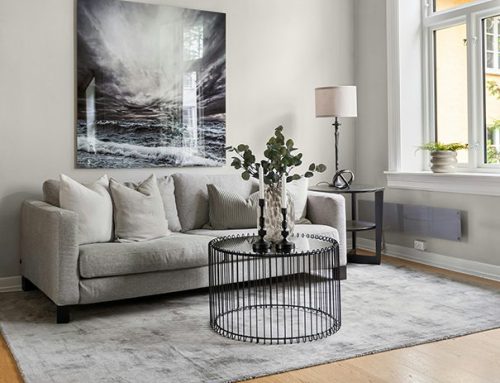
This approach also lends itself well to subtle, considered updates rather than full-scale redesigns. Swapping heavier winter fabrics for lighter layered textiles, introducing cushions or throws in muted green tones, or refreshing joinery with softer paint colours can all shift the feel of a space without it feeling out of step with the season. Adding greenery in the form of eucalyptus branches, olive stems or softly structured houseplants can also bring life into a room while still feeling appropriate for winter.
At Wylde, we often find that this time of year is when people begin to think about how they want their spaces to support them in the months ahead. The focus is less on dramatic change and more on creating spaces that feel restorative, functional and quietly uplifting. By choosing palettes and materials that bridge winter and spring, we can create interiors that evolve naturally with the year, rather than needing to be constantly reinvented.
Muted greens, warm neutrals and tactile finishes allow homes to feel calm and welcoming now, while also setting the tone for lighter days to come. It is a gentle way of acknowledging that although winter still has its hold, there is a sense of movement forward, and our interiors can reflect that same balance of comfort and quiet optimism!