In the Wylde blog this week we’re talking about marble. Few materials in the world of interiors and architecture possess the timeless elegance of marble. Undeniably recognisable through its natural veining and cool, luminous surface, marble has been associated with beauty and craftsmanship for centuries. From grand civic buildings to delicate decorative objects, it carries with it a sense of history that feels both timeless and quietly luxurious. Despite its classical roots, marble continues to be found in contemporary interior design.
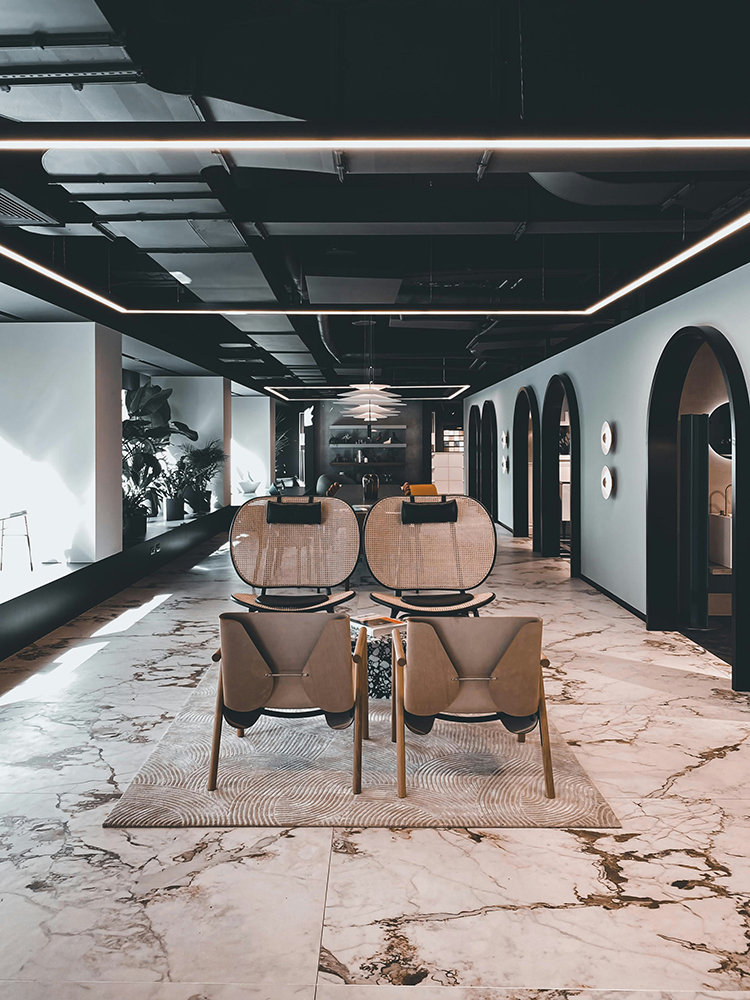
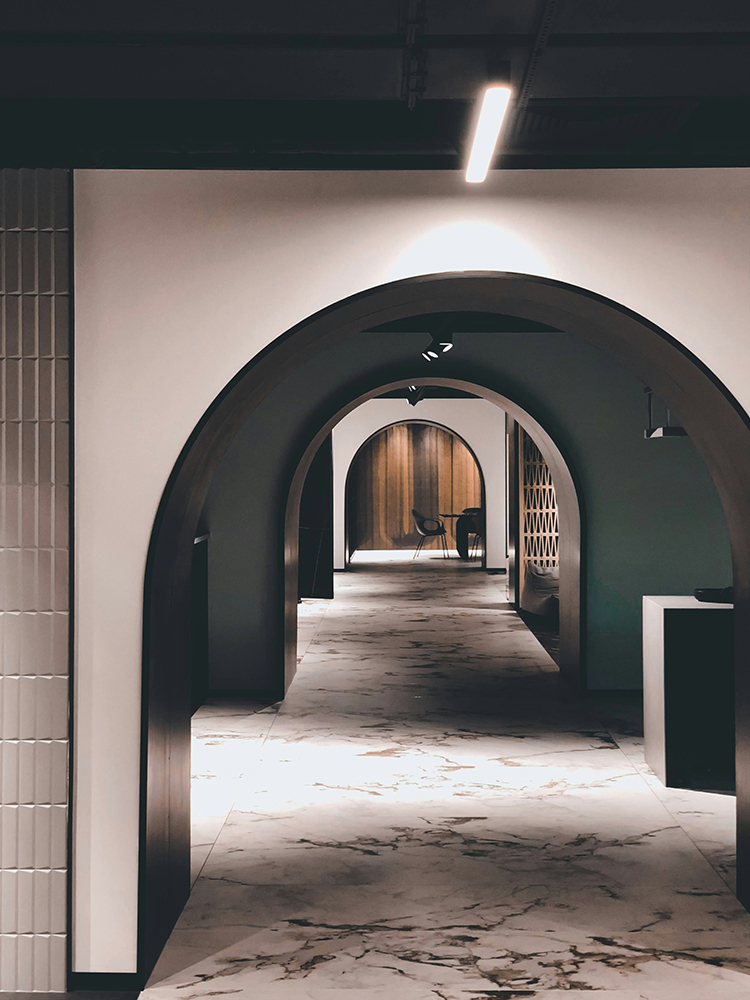
Historically, marble has been synonymous with grandeur. It has an ability to hold intricate detail while retaining a sense of strength making it a favourite for artisans and architects alike. In traditional interiors, marble has long been used – fireplaces, polished marble floors and sculpted columns; all as hallmarks of classical design. The subtle combination of grey, cream, white and charcoal veining adds movement and visual depth without overwhelming a space. In these settings, marble becomes more than just a material acting as an architectural feature in its own right.
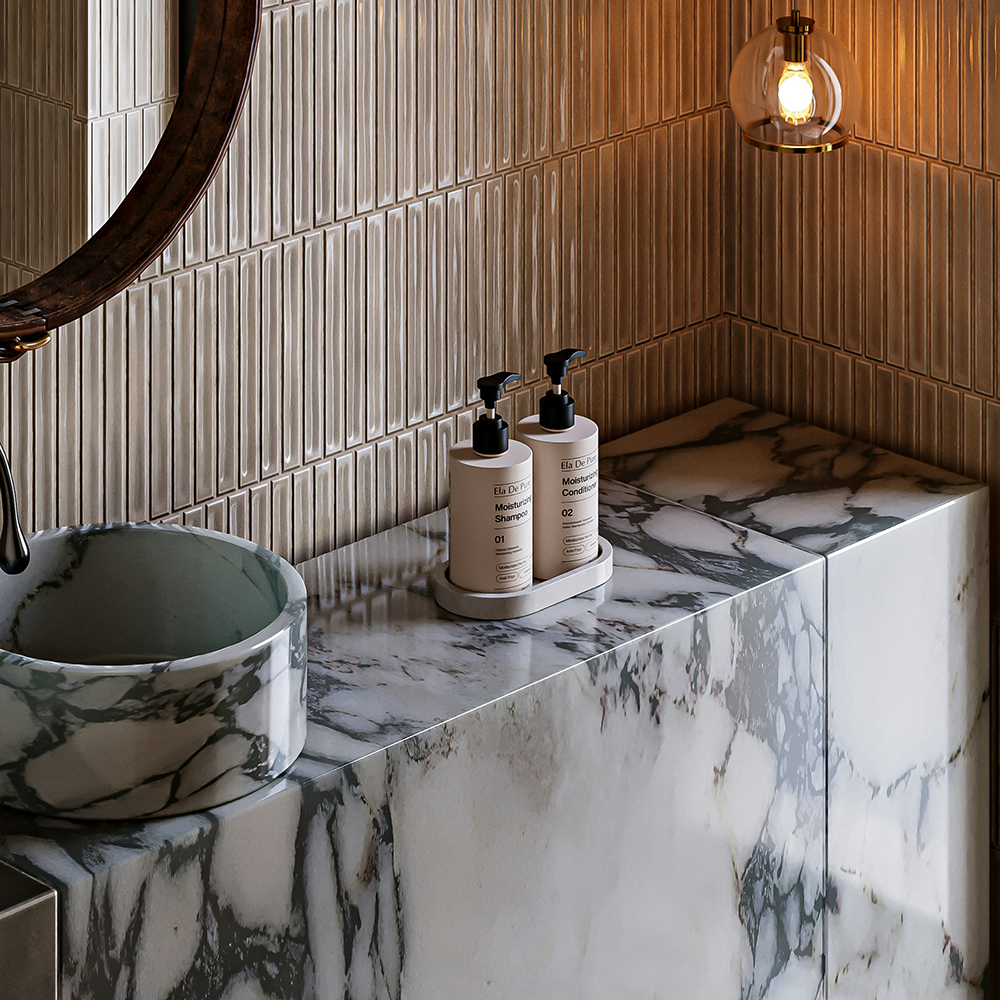
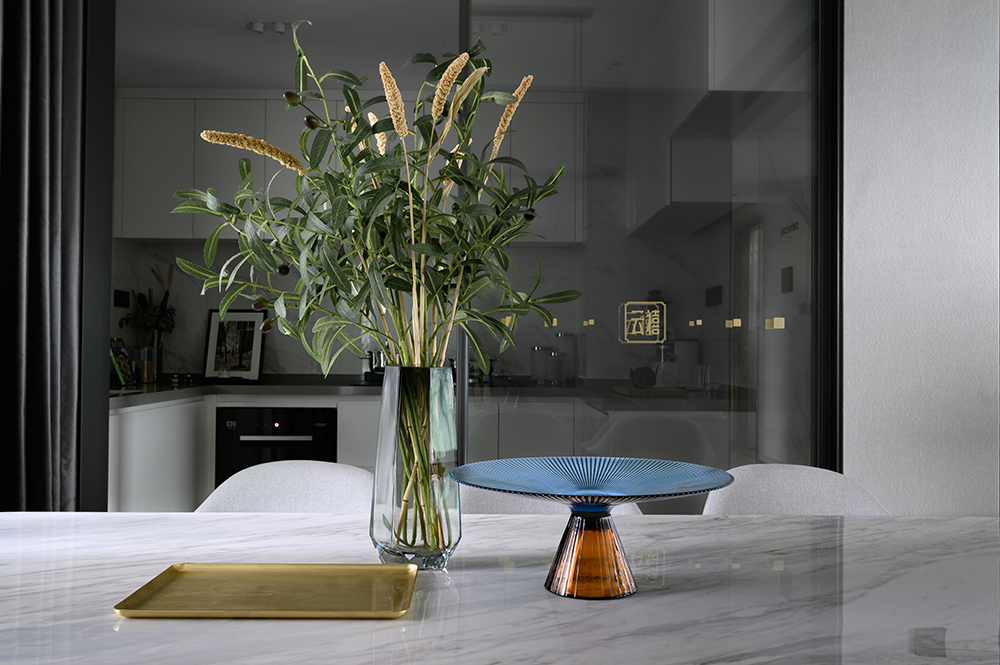
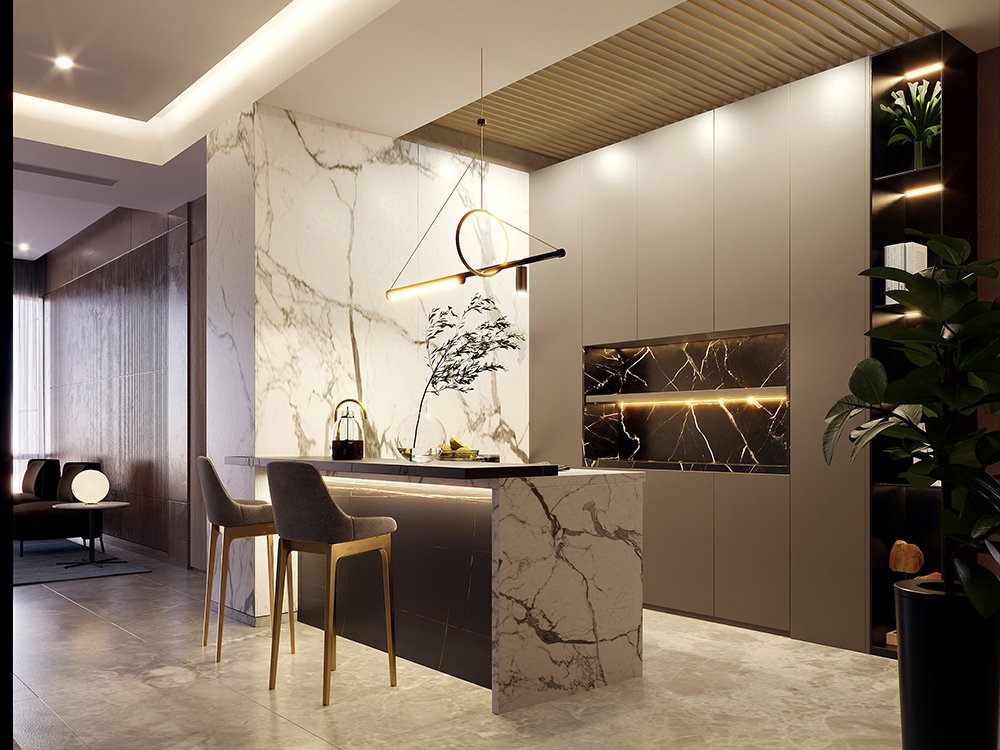
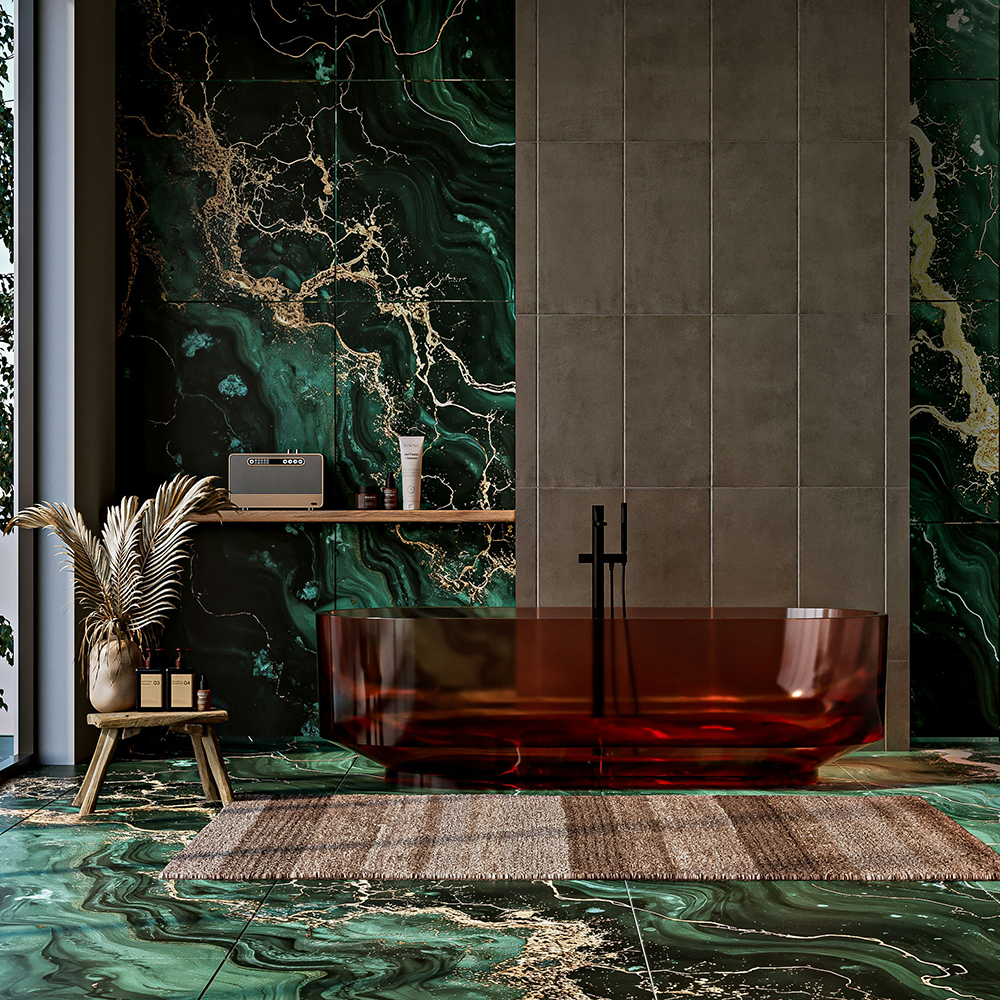
What makes marble particularly interesting, is the way it has been embraced by modern interior design. Contemporary architects and designers often use marble in unexpected ways, pairing its natural beauty with clean lines and minimalist forms. A single marble kitchen island, for example, can become the centrepiece of a sleek and understated space. In bathrooms, large-format marble tiles create a seamless, almost sculptural environment where texture and tone take precedence over ornament.
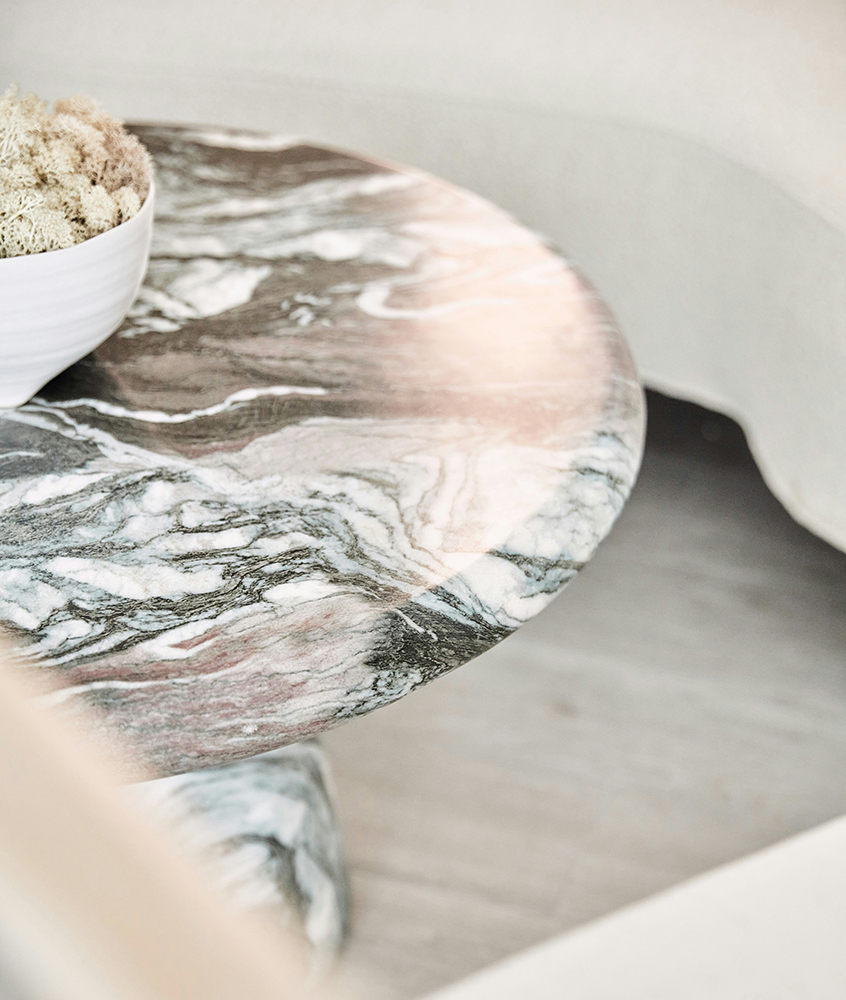
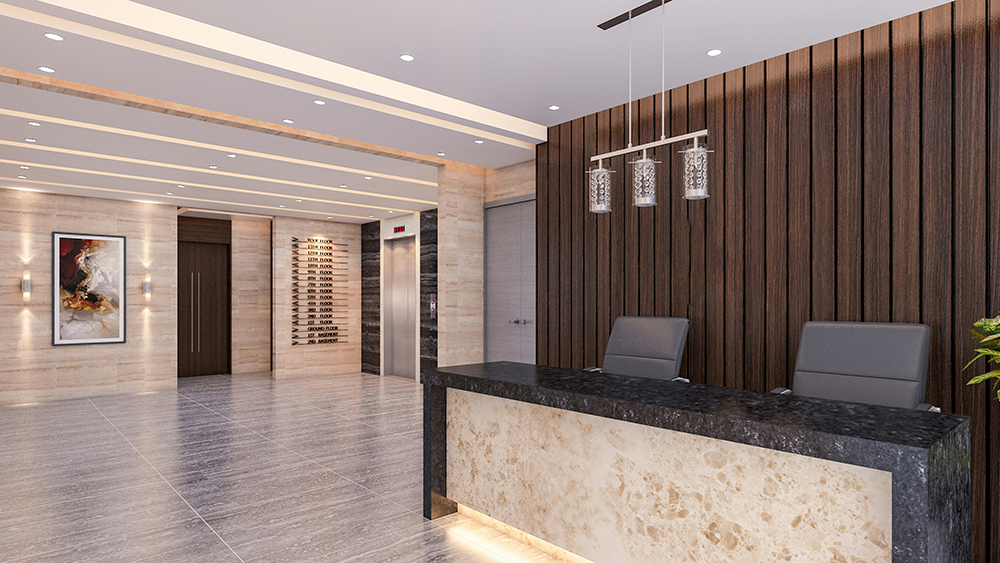
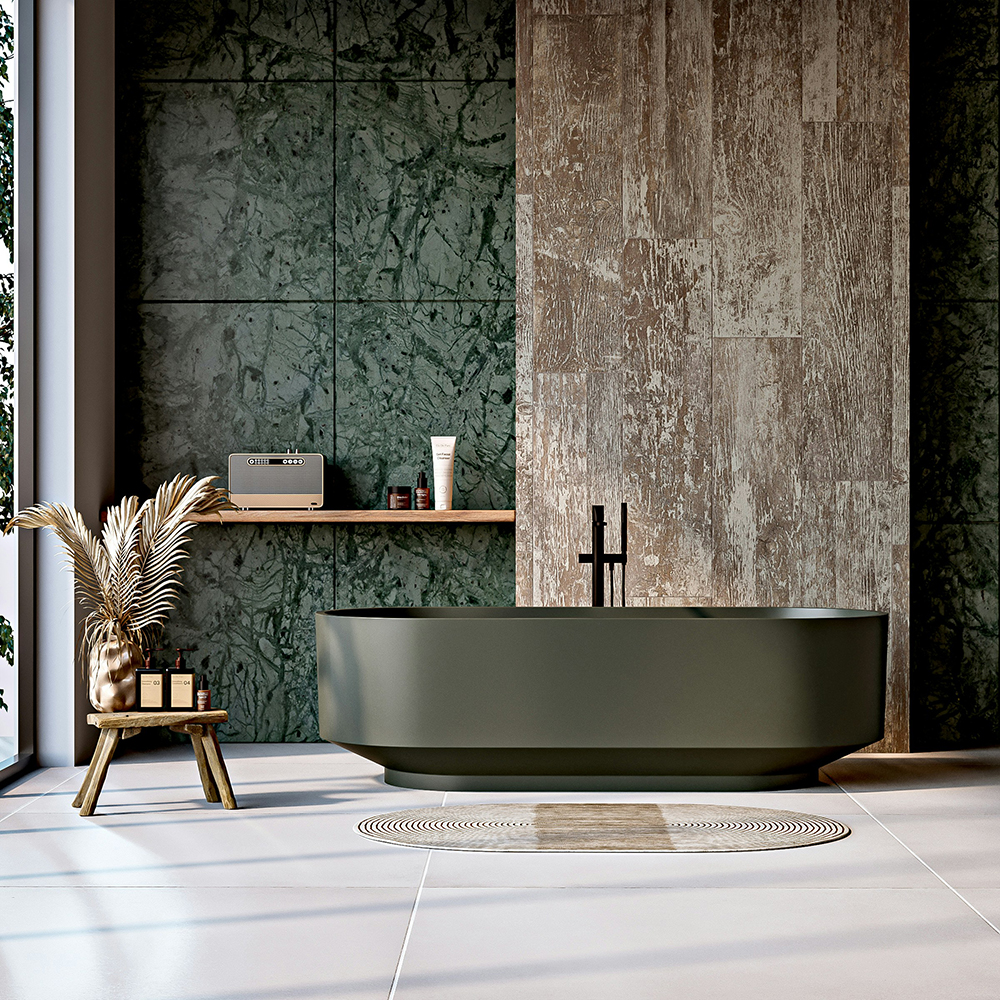
Modern design also celebrates marble’s versatility. Rather than being confined to white or pale tones, designers are increasingly exploring the rich spectrum of colours found within natural stone. Deep green marble, dramatic black slabs streaked with white, and warm beige varieties all introduce a bold sense of character. Used carefully, marble can transform a simple interior into something striking and memorable.
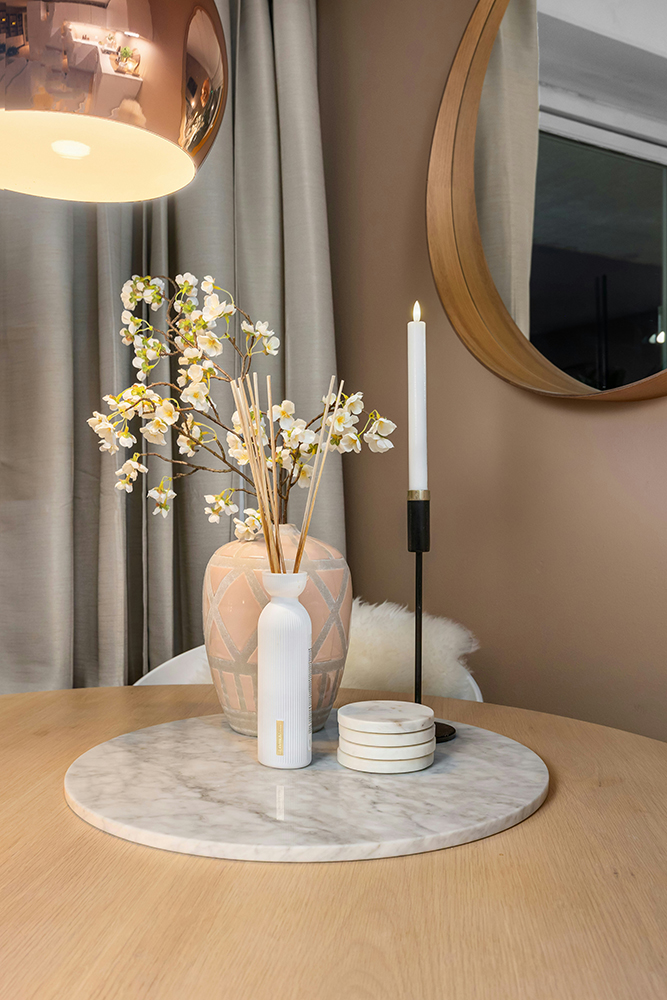
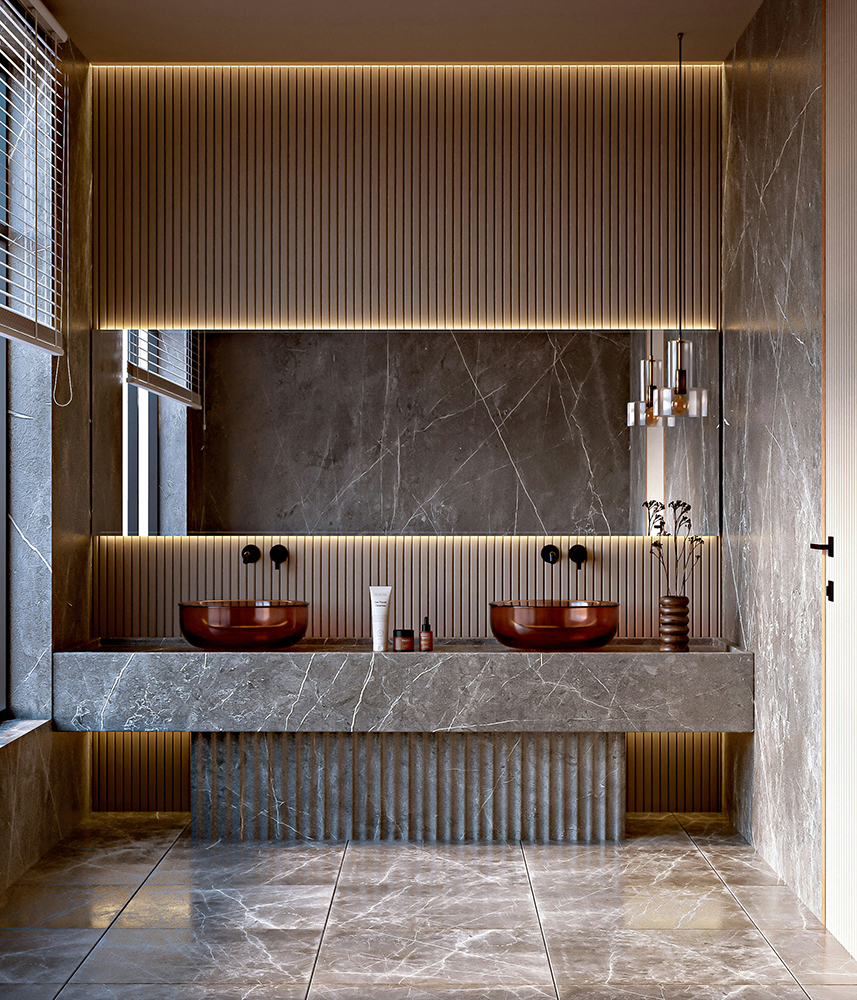
In an age where authenticity and natural materials are valued more than ever, the organic history in the aesthetic of marble gives an emotional depth that manufactured materials cannot easily replicate. At the same time, modern craftsmanship has made marble more accessible and adaptable. Advances in cutting, sealing and finishing allow it to be used across a wider range of applications than in the past. From statement dining tables and sculptural basins to delicate lighting and smaller decorative details, marble can now be integrated into interiors in subtle, refined ways.
We think the consistent trend in marble’s popularity is because of how it carries the memory of classical architecture, yet it feels entirely at home in contemporary spaces. When thoughtfully used, marble bridges eras effortlessly, bringing a sense of permanence to modern living while maintaining a lightness and elegance that never goes out of style.
In March, as the light begins to soften and spaces are refreshed for the season ahead, marble feels particularly suited. Its natural brightness reflects light beautifully, while its intricate patterns bring visual interest to a space. Whether featured in bold architectural forms or small decorative accents, marble continues to captivate designers and homeowners alike!
Marvellous in both heritage and modernity, marble remains one of design’s most enduring and inspiring materials. Check out our gallery to marvel at some marble! (Sorry we had to!)