March makes us think about spring, even if winter keeps holding on the clocks have finally changed and the light lingers longer into the evenings each day, softening shadows and making us rethink our interior design at home. At Wylde, we think spring is a great moment to reintroduce texture and tactility, creating spaces that feel both grounded and gently creative. This month, we’re feeling crafty and ou blog this week, for our final March insight is macramé, an art that speaks in knots, pattern, and softness!
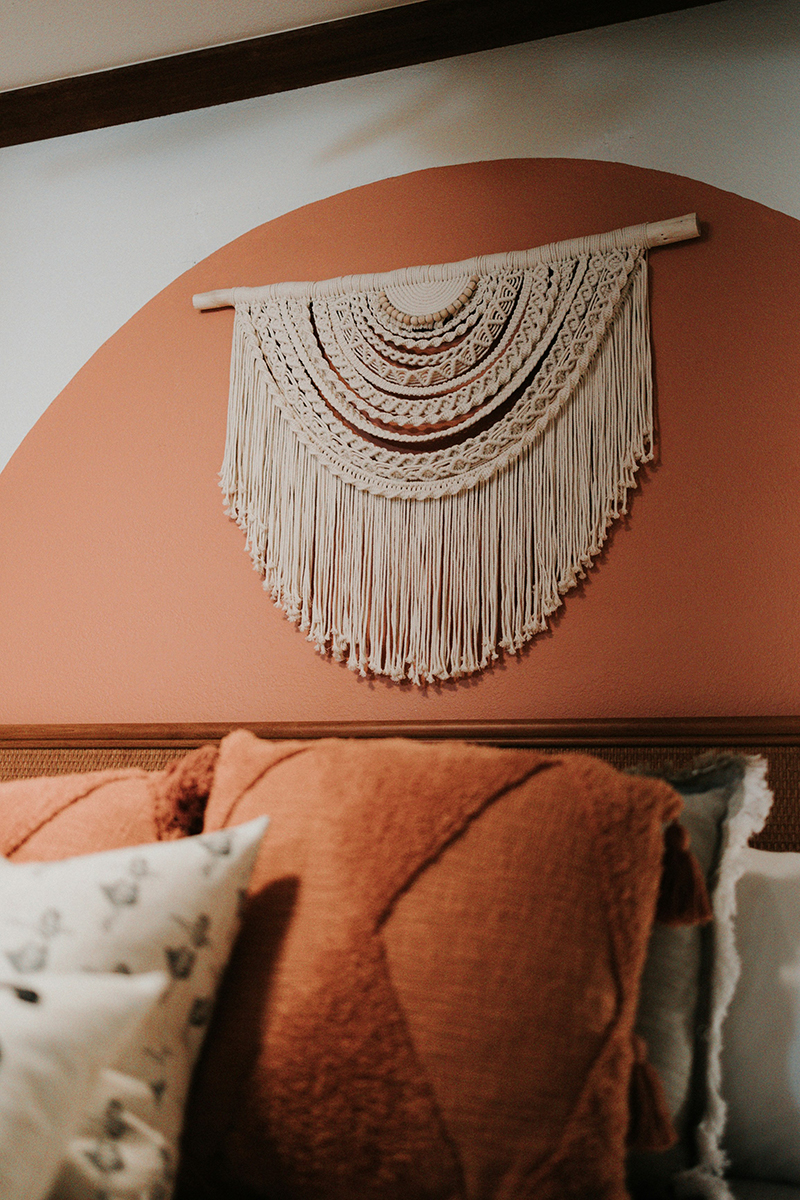
Macramé carries with it a rich narrative, one that stretches from its early practical uses to its decorative resurgence in the 1970s and now into a more refined, contemporary context. With it’s roots in purely bohemian styling, we think it has evolved into something more sophisticated and more considered. Today, macramé is less about nostalgia and more about homeliness. It aligns naturally with a growing appreciation for slow design, where the emphasis is placed on craftsmanship, longevity, and the human touch behind each piece.
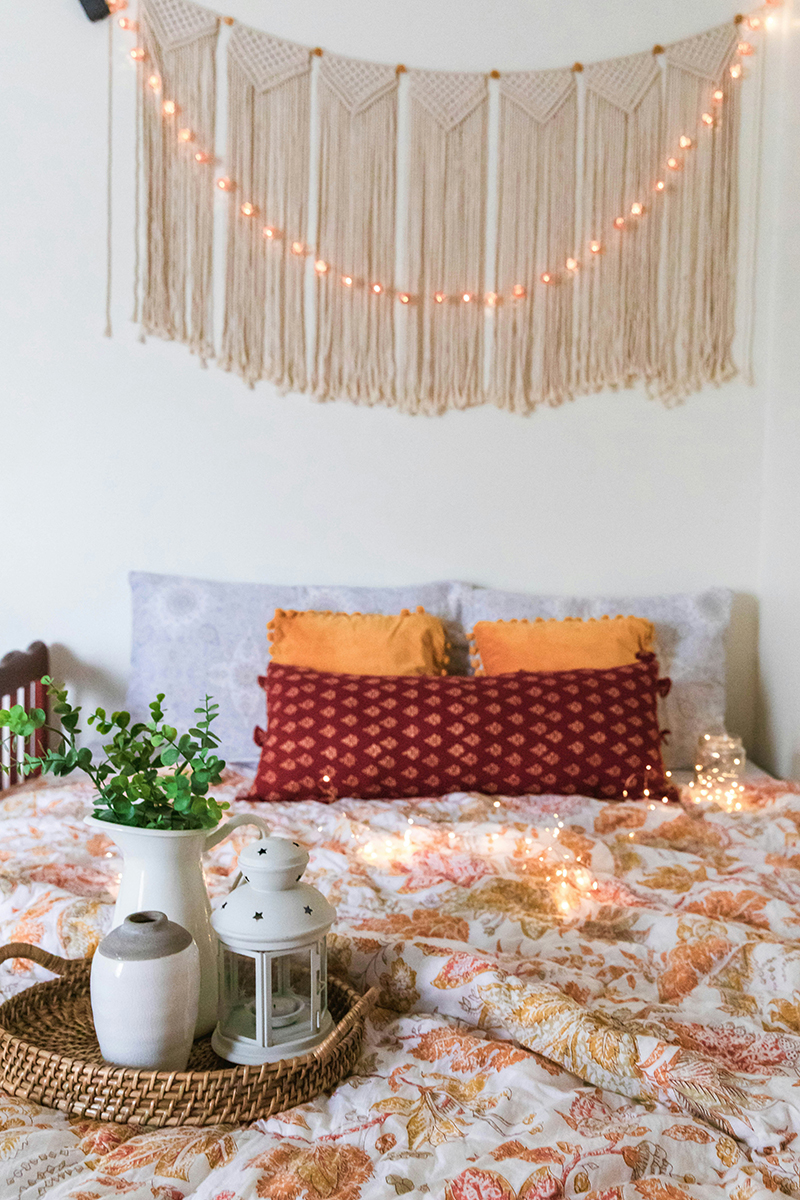
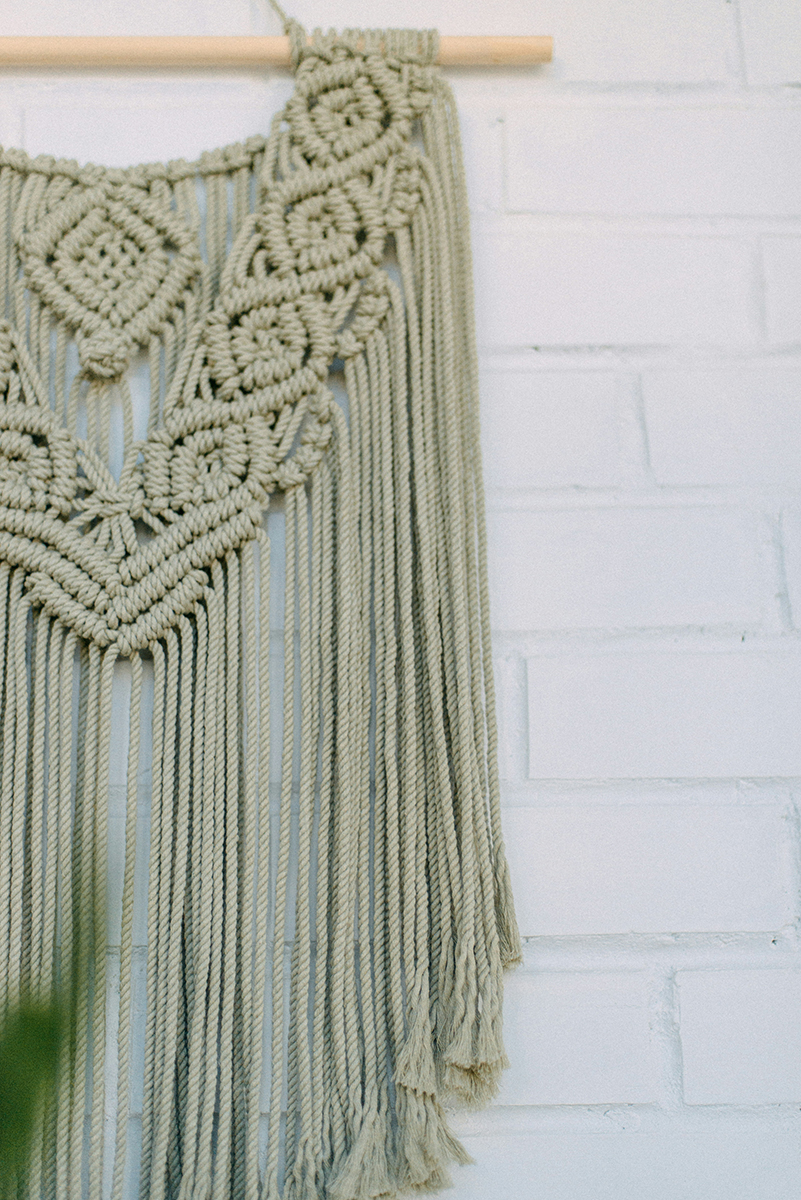
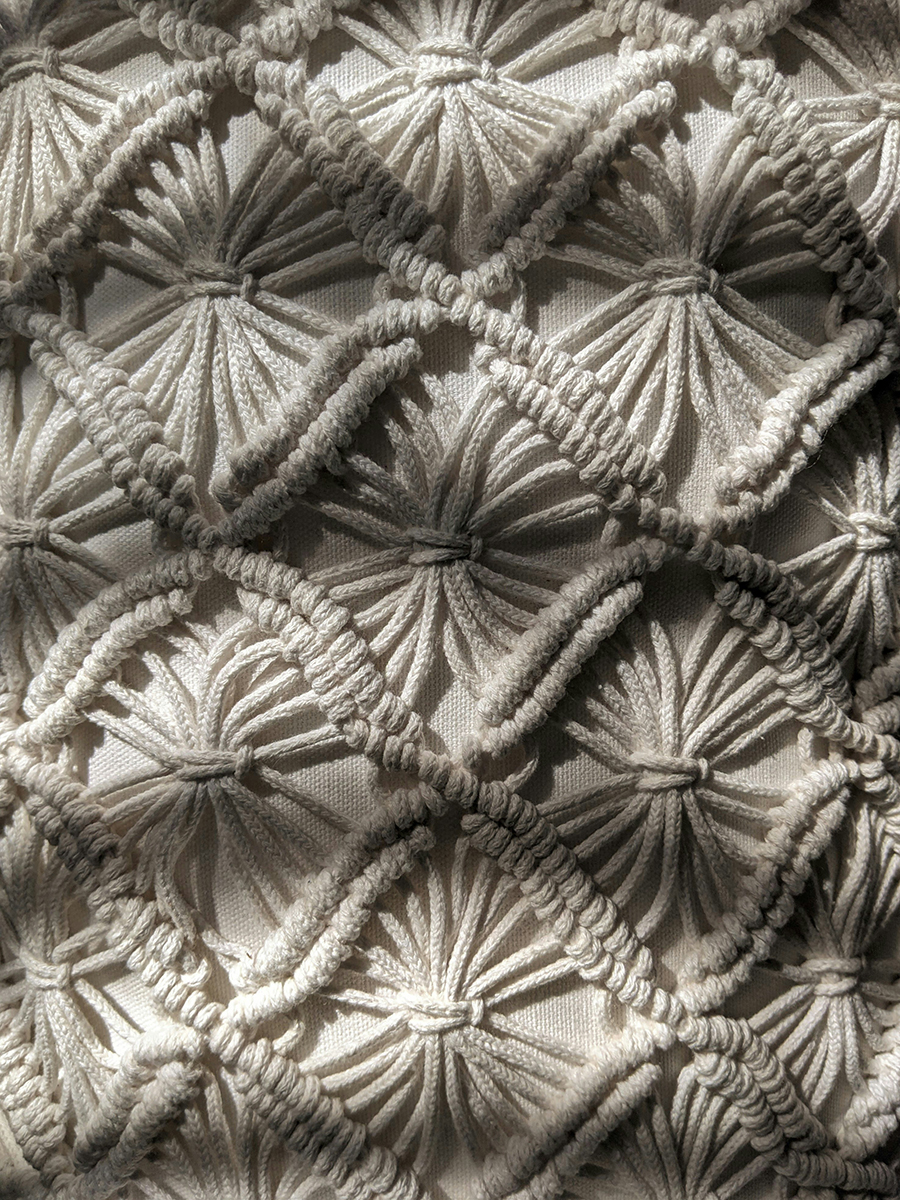
There is something calming about the presence of macramé within a space. Its texture absorbs and diffuses light in a way that feels organic, creating subtle variations that shift throughout the day. As the seasons change, sunlight becomes brighter and more consistent, these qualities are amplified. A knotted surface becomes more than decorative – becoming interactive, responding to the environment and adding depth without overwhelming the room. It offers a softness that contrasts beautifully with harder materials, bringing balance and a real sense of neutrality in all colour palettes!
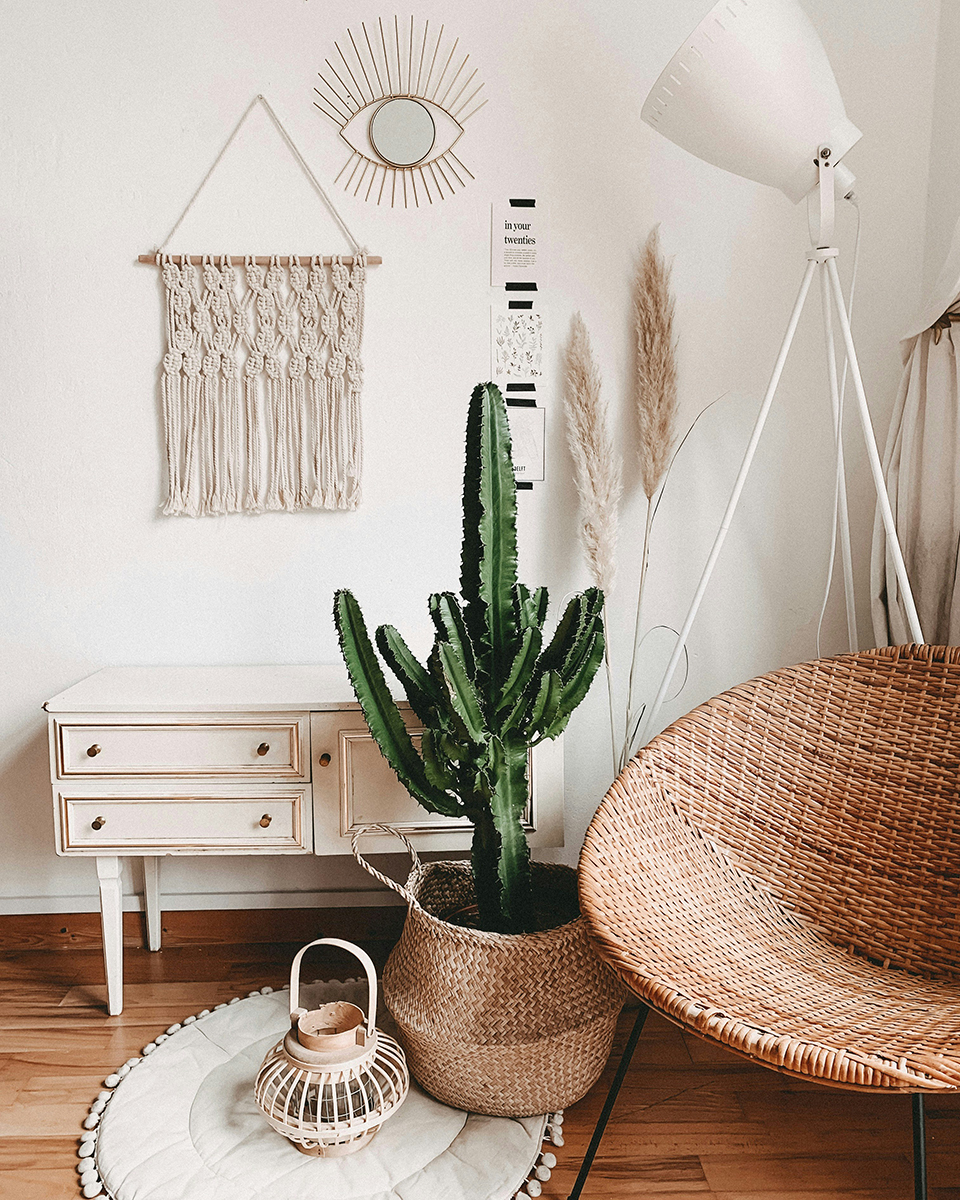
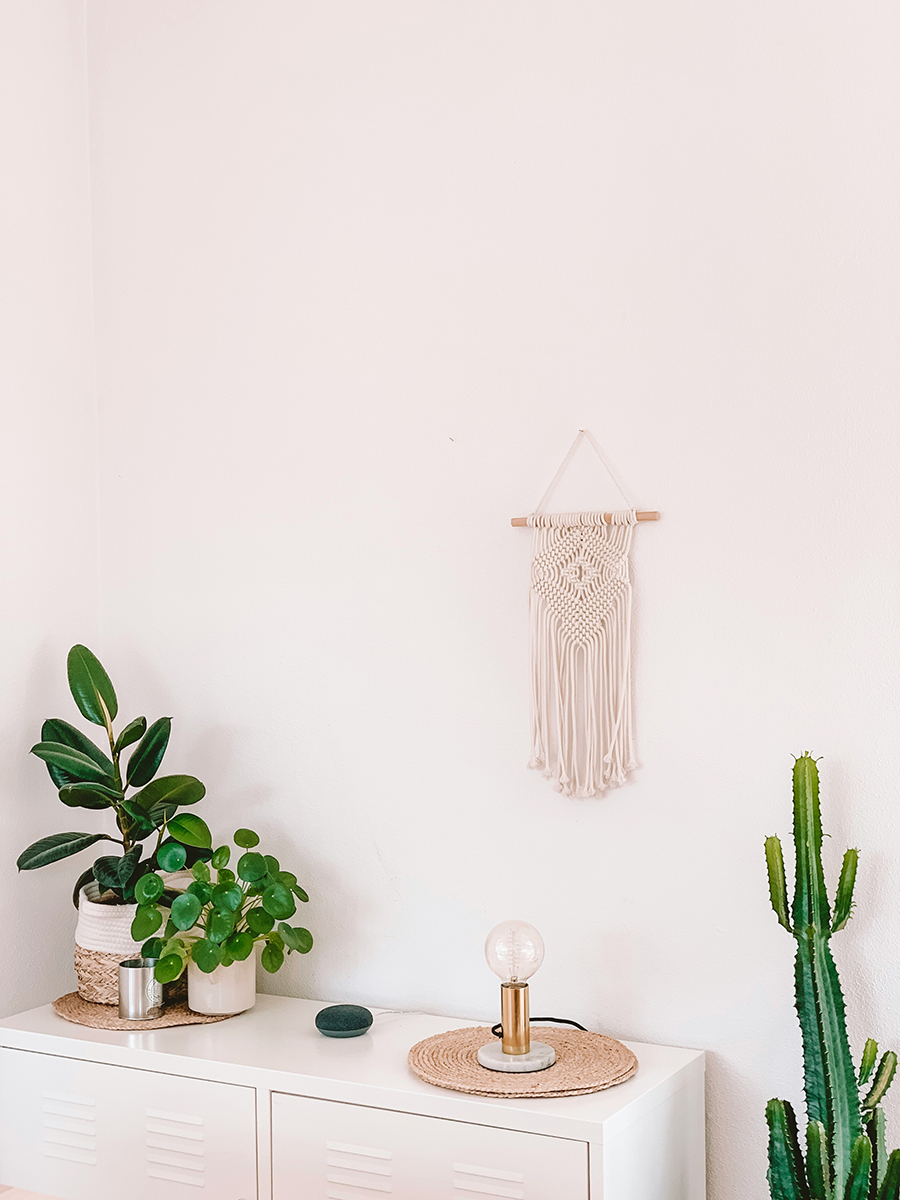
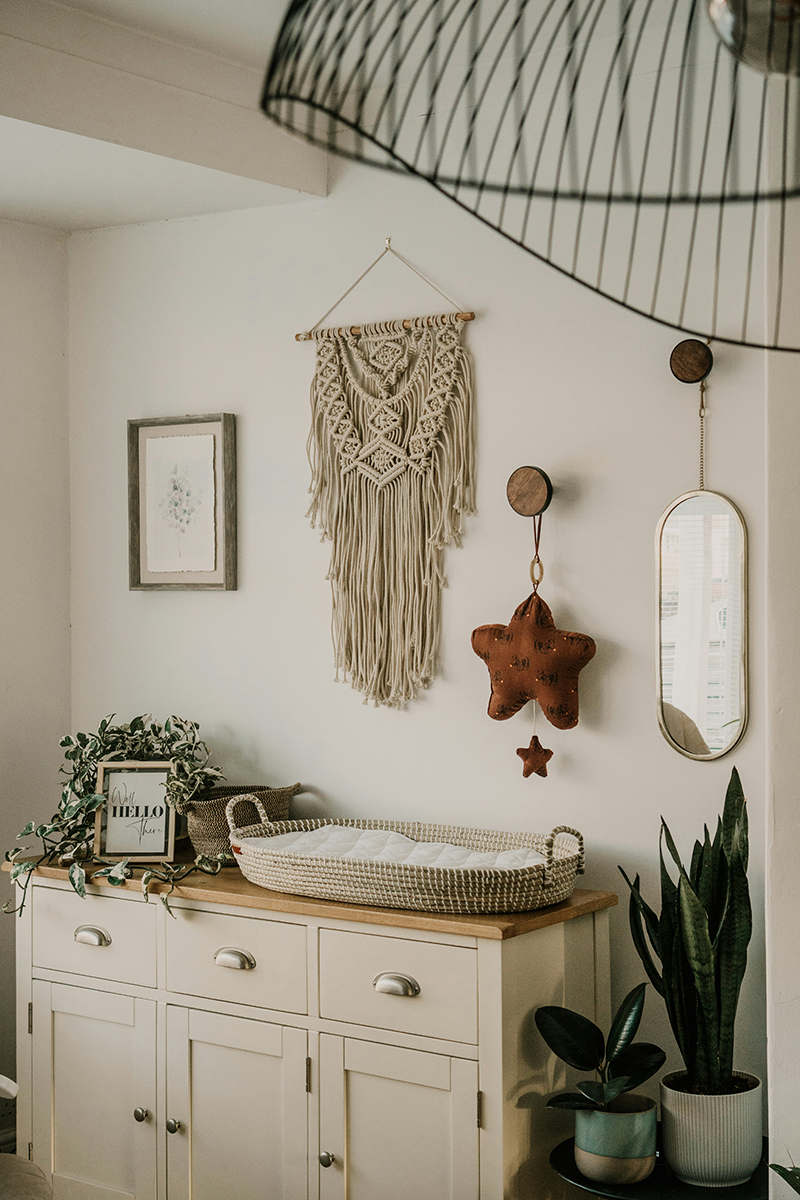
In modern interiors, the role of macramé is not to dominate but to complement. Its strength lies in its ability to integrate seamlessly into a variety of styles, from minimal and contemporary spaces to more rustic or nature-inspired settings. When placed thoughtfully, it introduces a layer of detail that feels both effortless and deliberate. It encourages a slower pace, inviting you to notice the intricacy of its construction and the care embedded in its form. Often created using natural fibres such as cotton or jute; materials that are both tactile and environmentally conscious. Choosing macramé becomes more than a stylistic decision; it becomes a reflection of values and an investment in artistry!
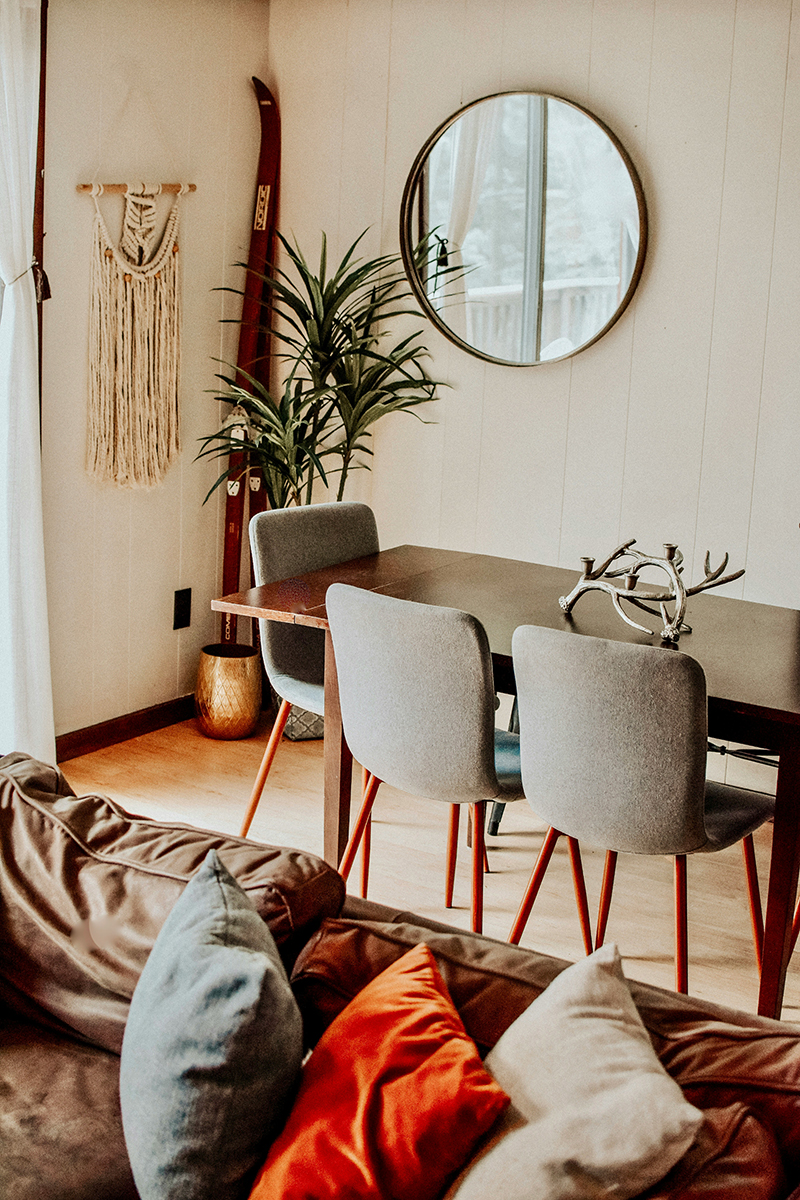
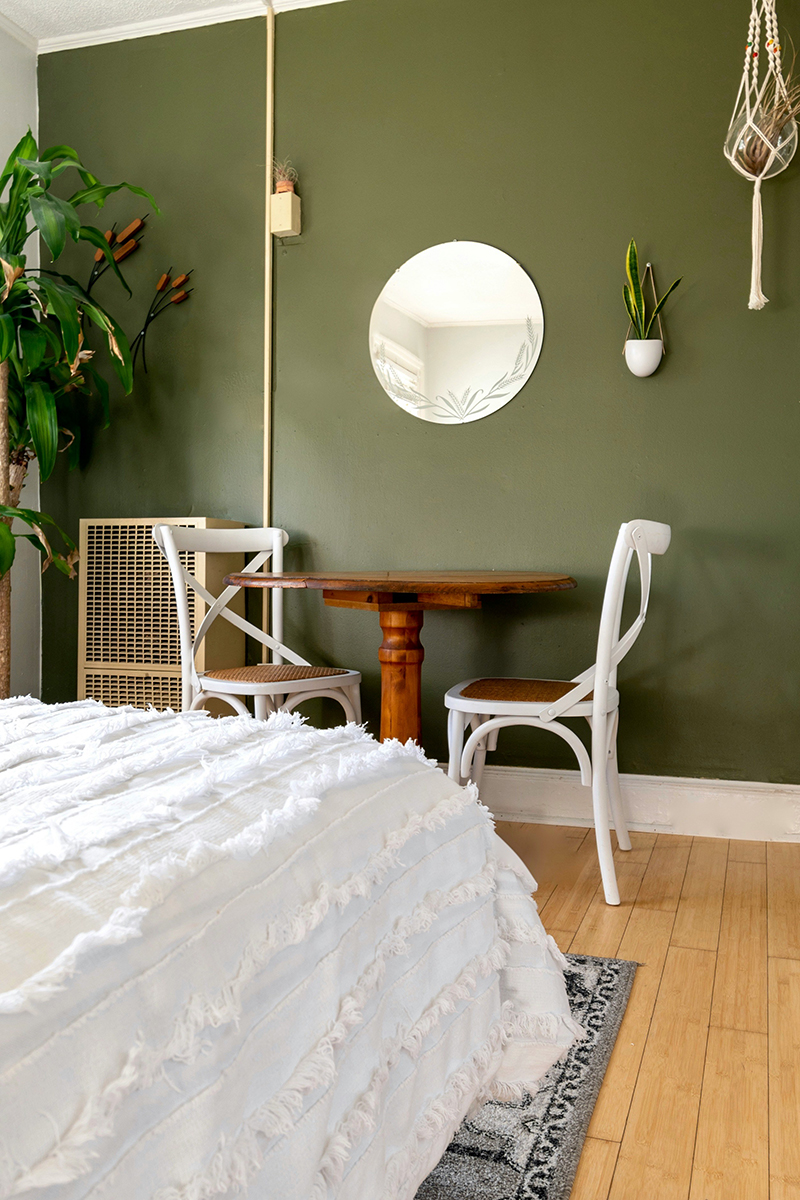
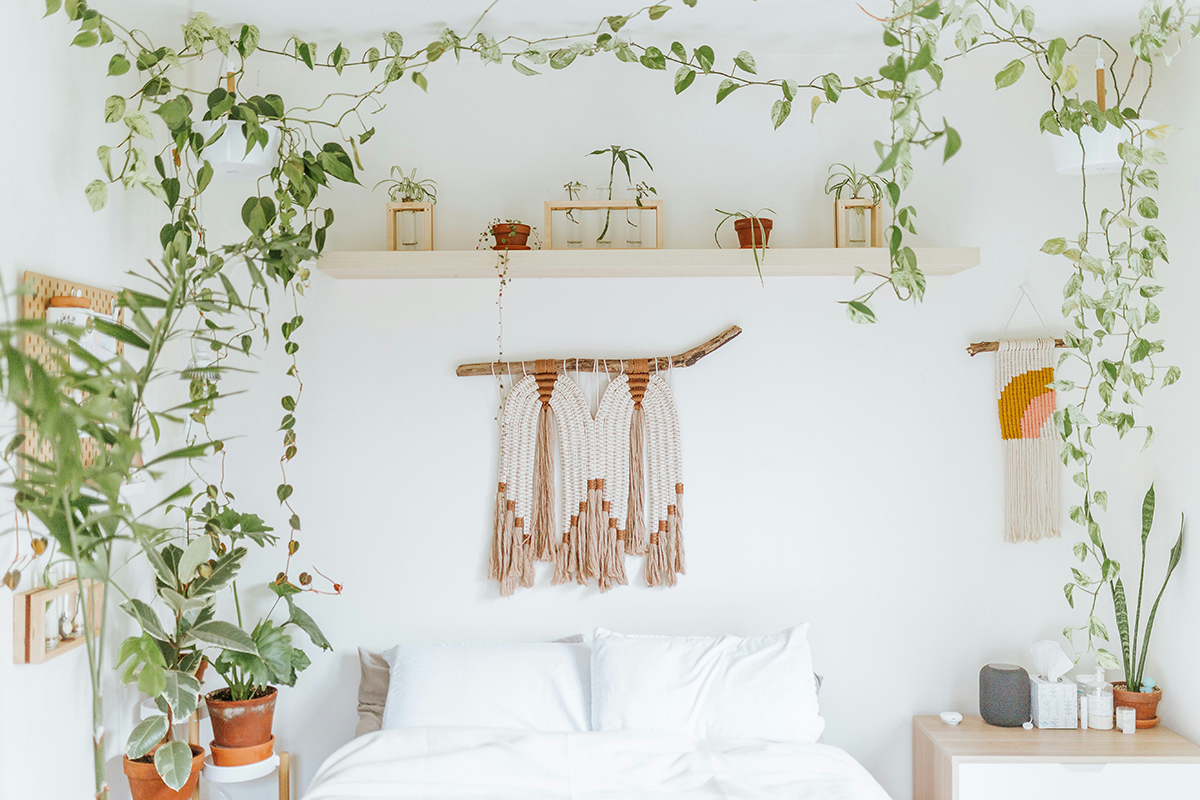
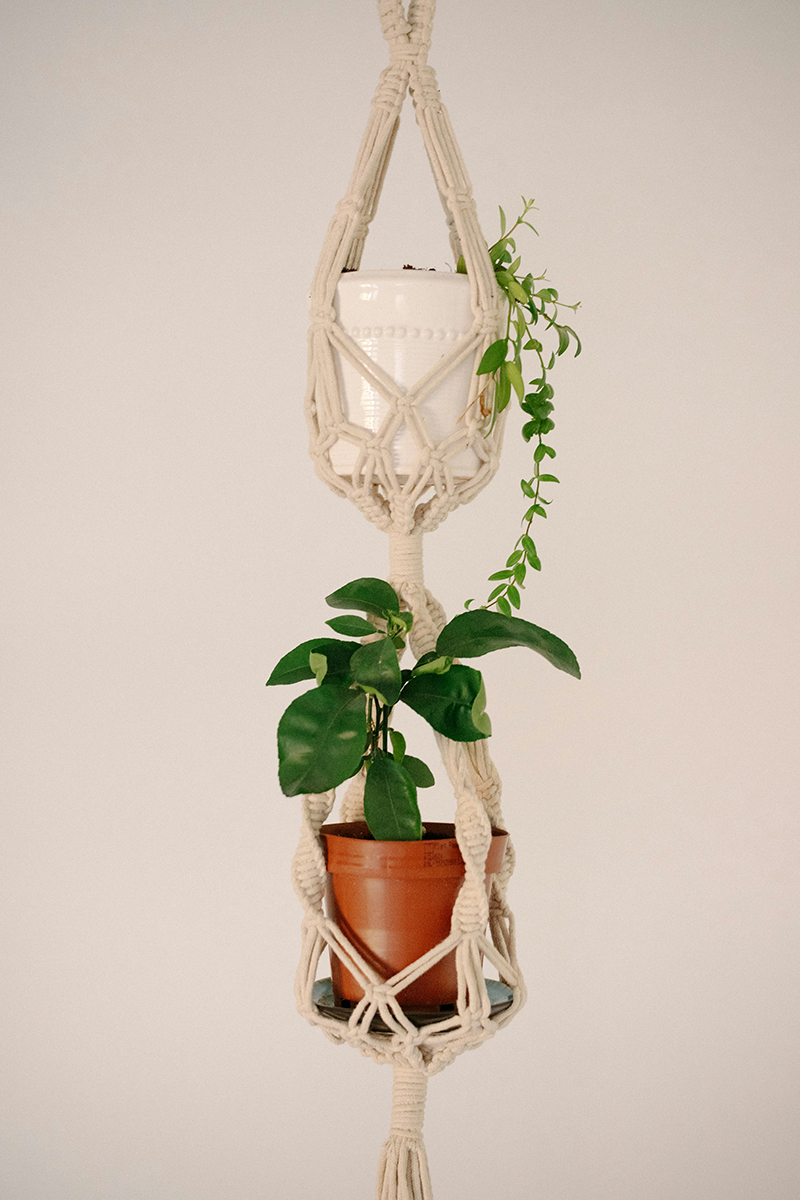
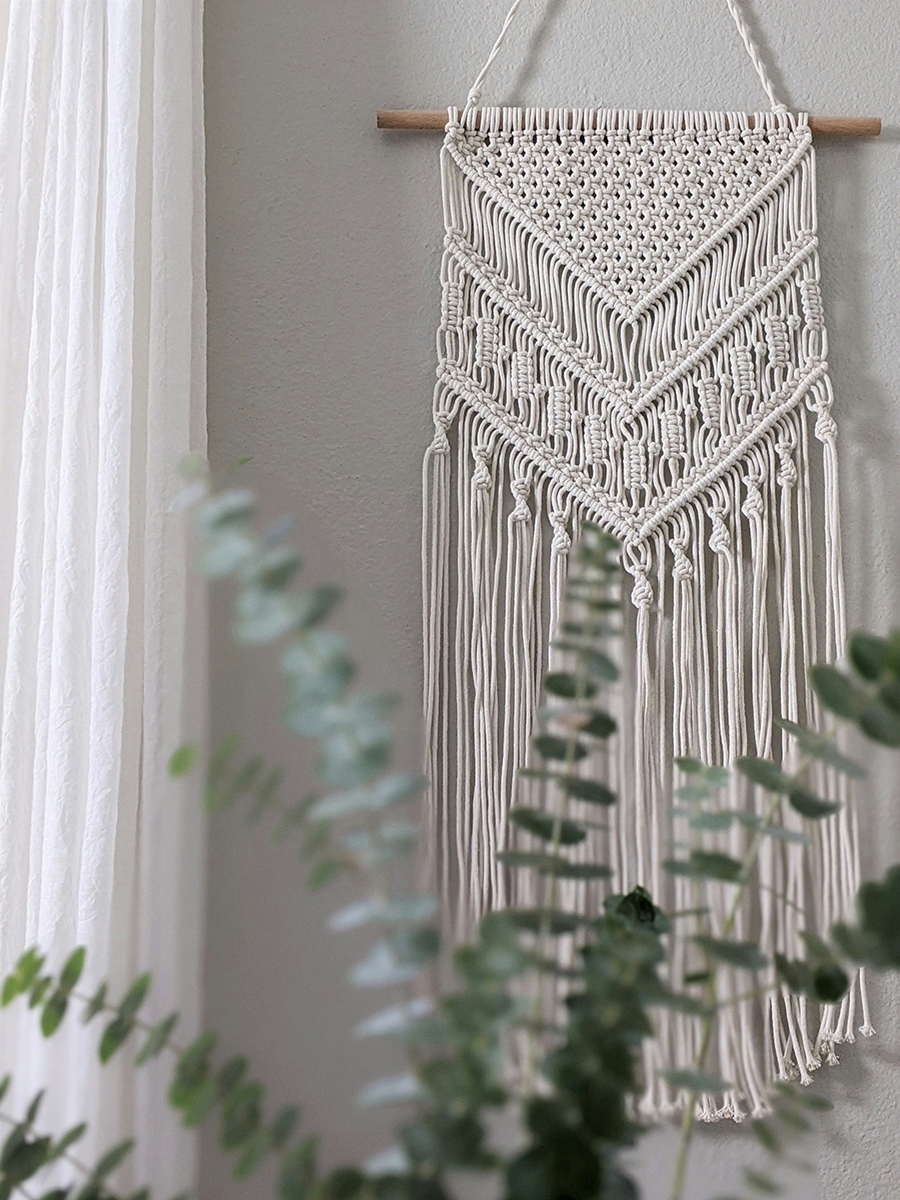
As (ideally!) the boundary between indoors and outdoors begins to blur in spring, macramé finds a natural partner in greenery. The combination feels intuitive, almost instinctive. Suspended forms and soft fibres echo the organic shapes of plants, creating compositions that feel alive and evolving. There is a quiet harmony in this pairing, reinforcing a sense of connection to nature that becomes increasingly important at this time of year.
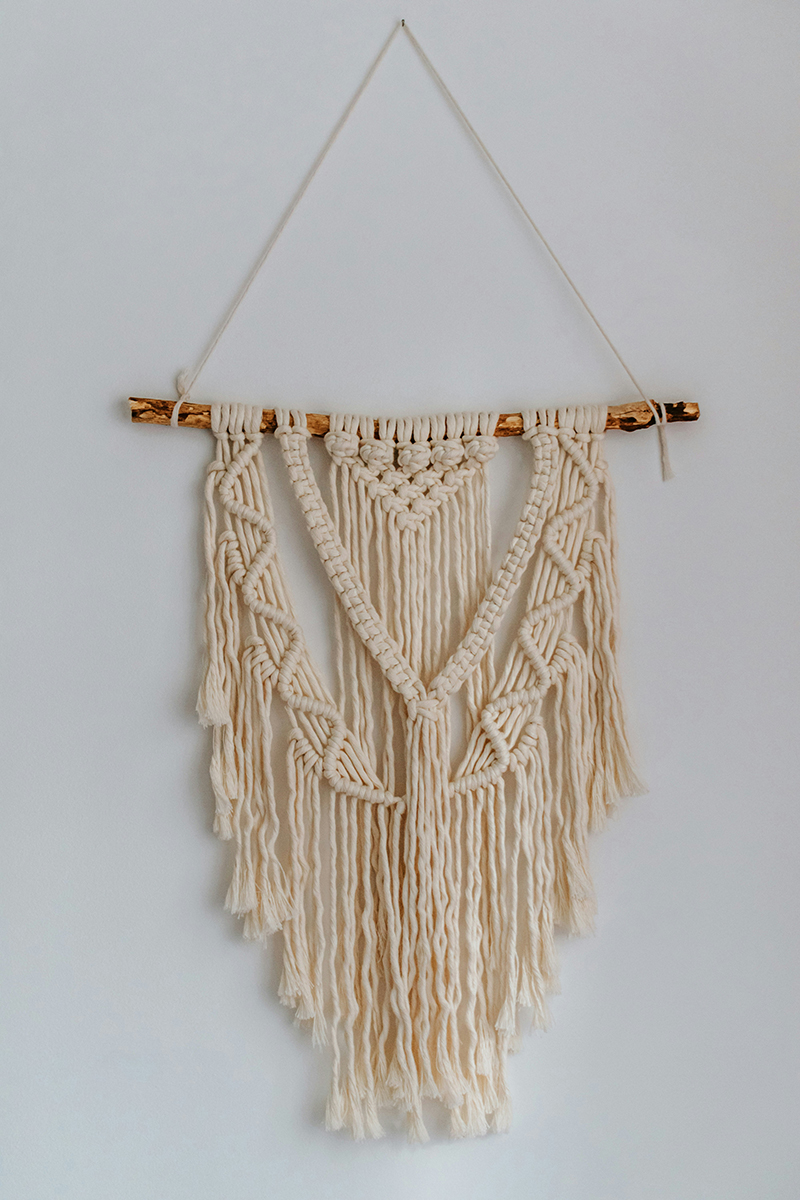
In embracing macramé, there is an invitation to slow down and appreciate the subtle complexities that define a space. It reminds us that design is not only visual but deeply tactile, shaped as much by how it feels as by how it looks. As spring unfolds, these quieter elements become the ones that resonate most, creating interiors that are not just styled, but truly experienced. Check out our carefully crafted macramé gallery here;