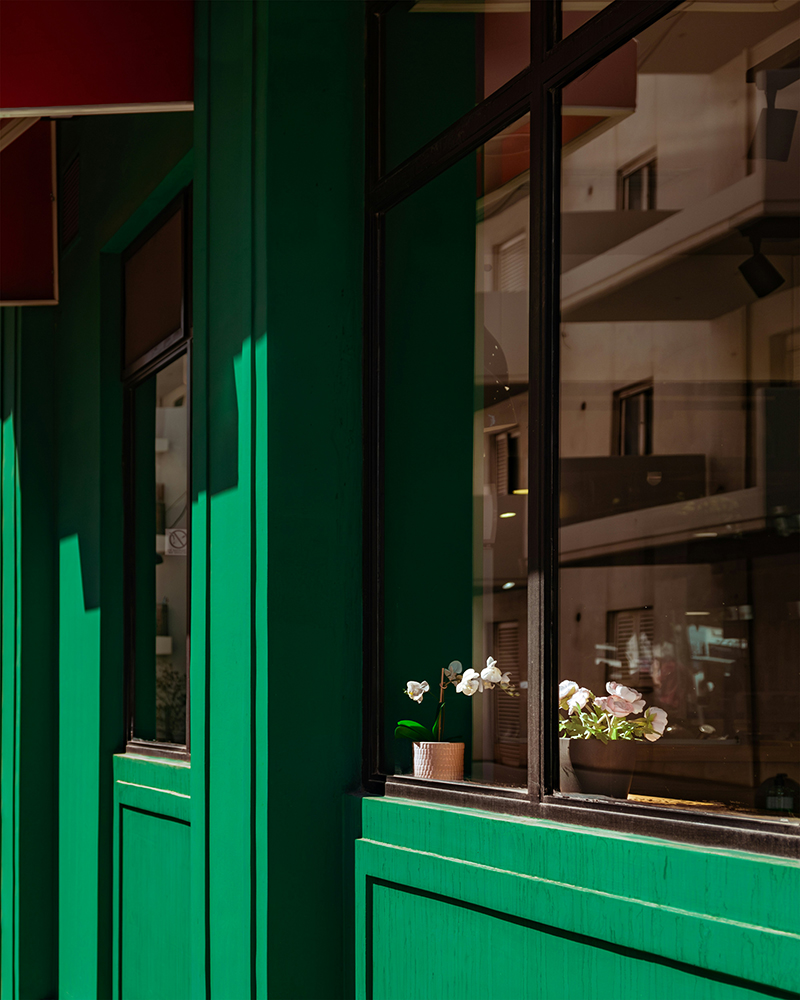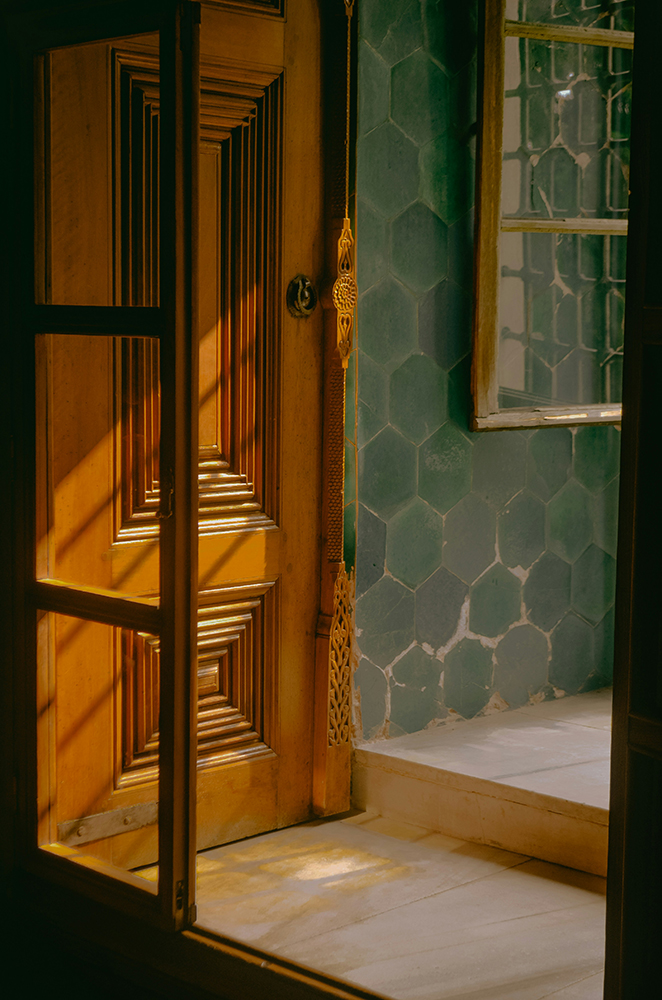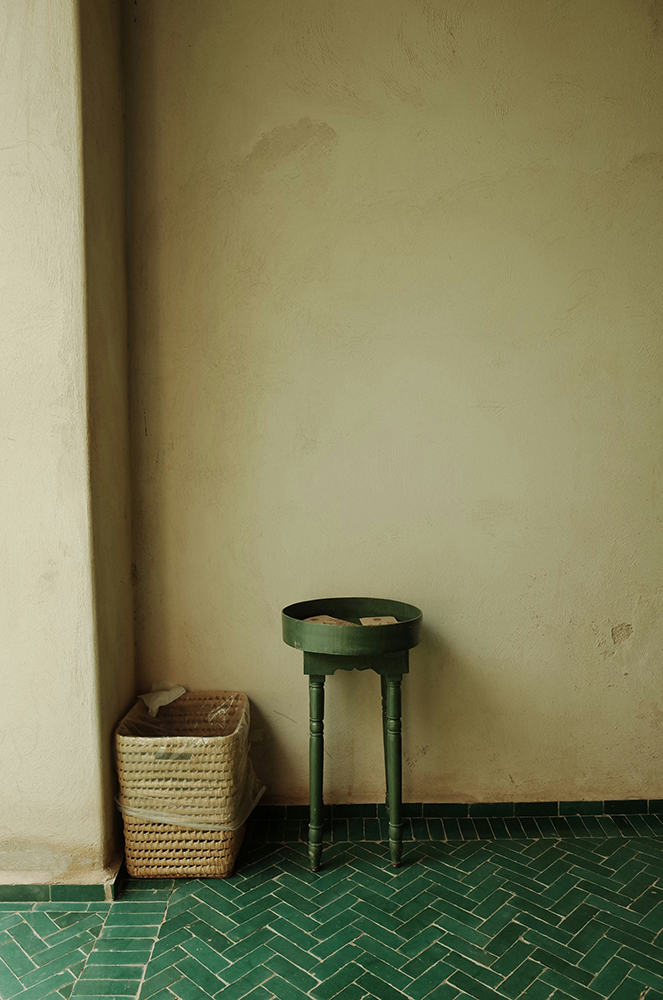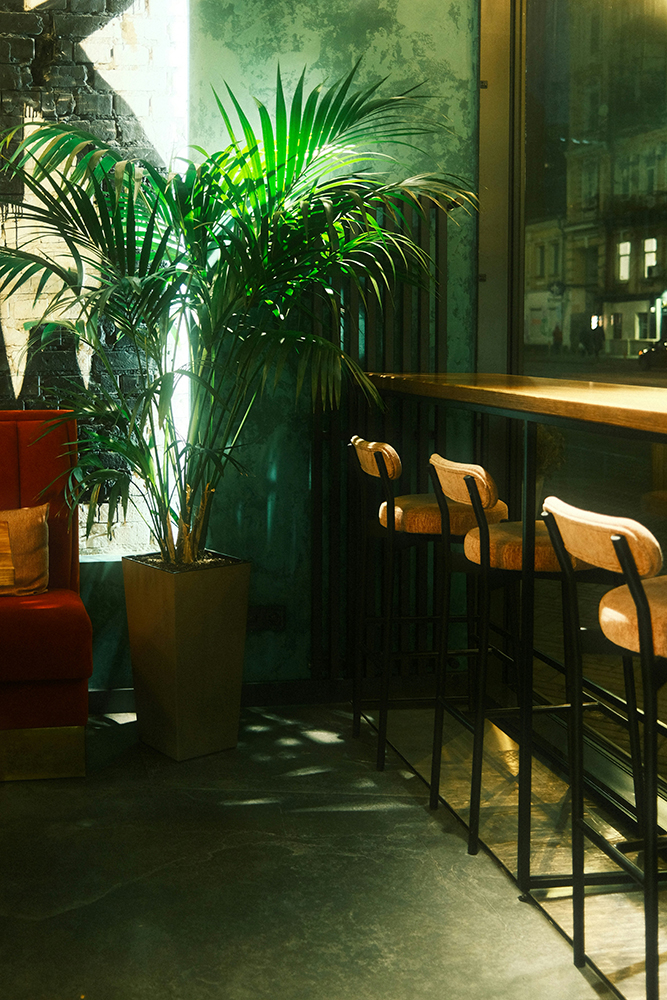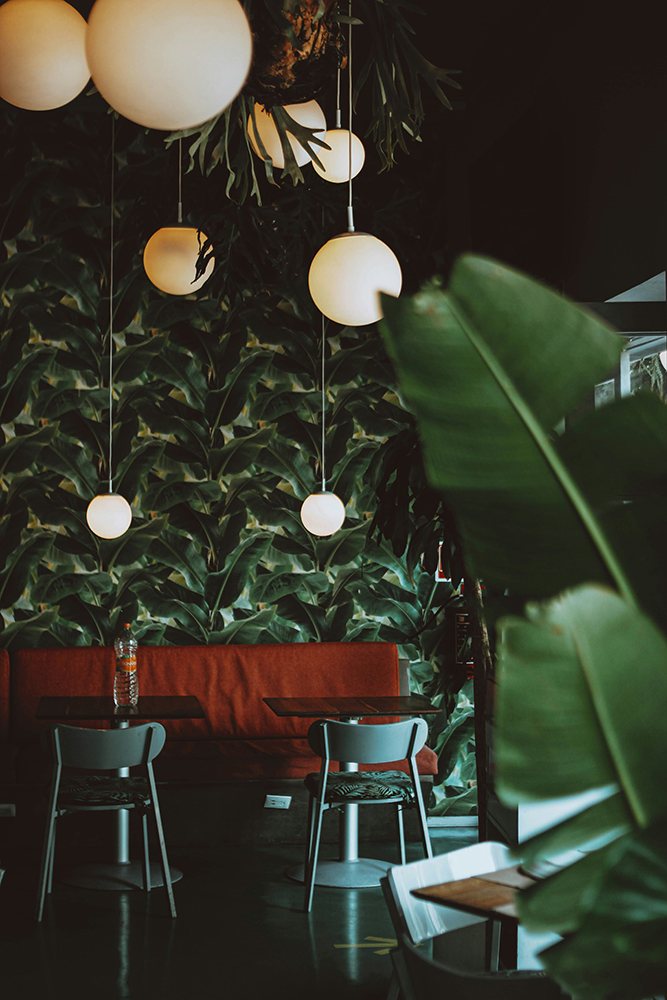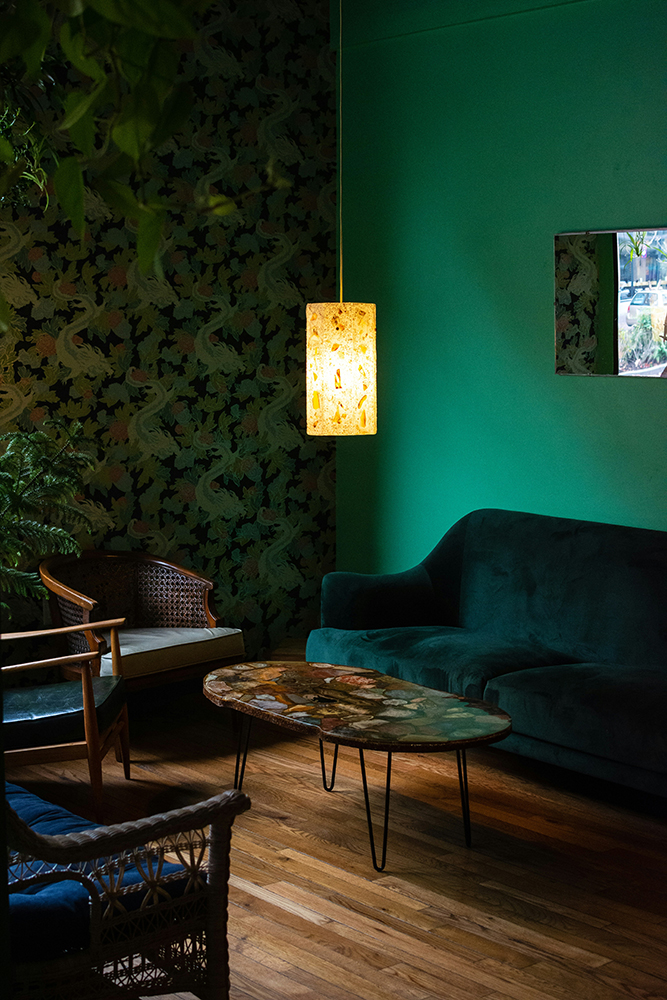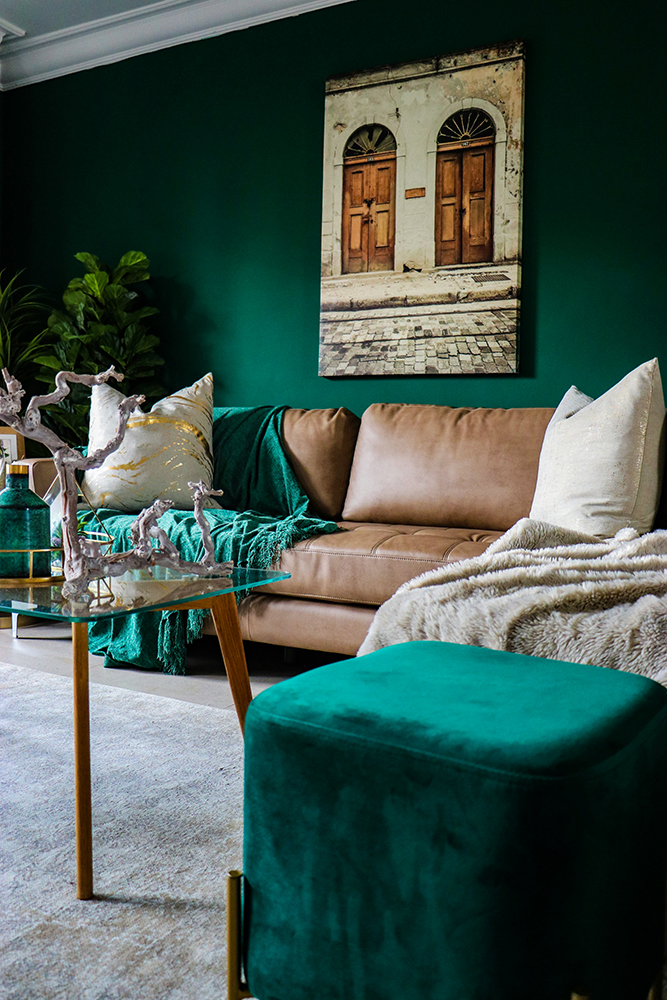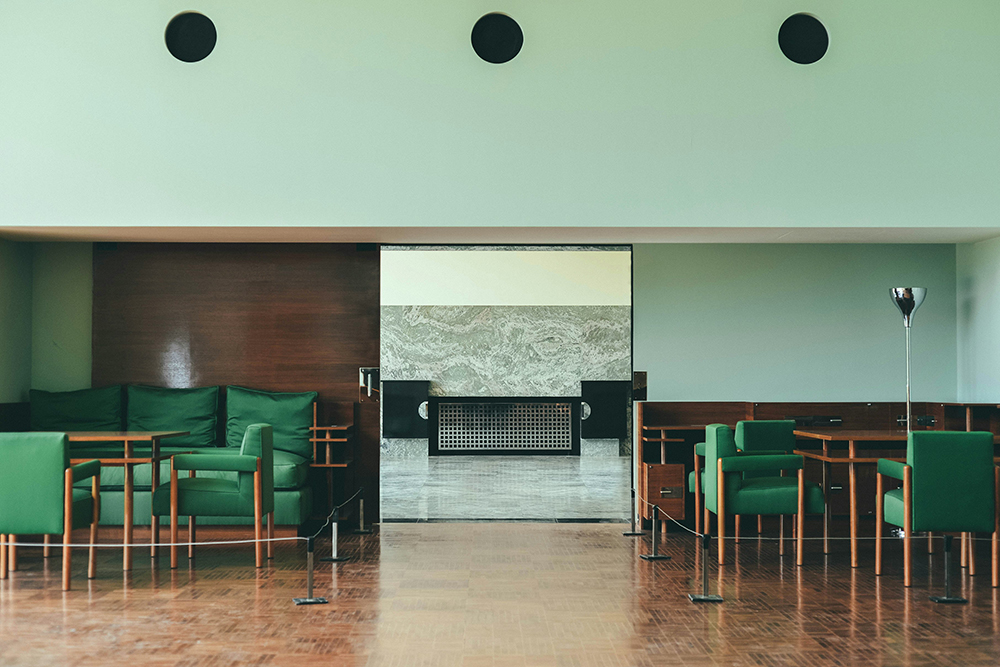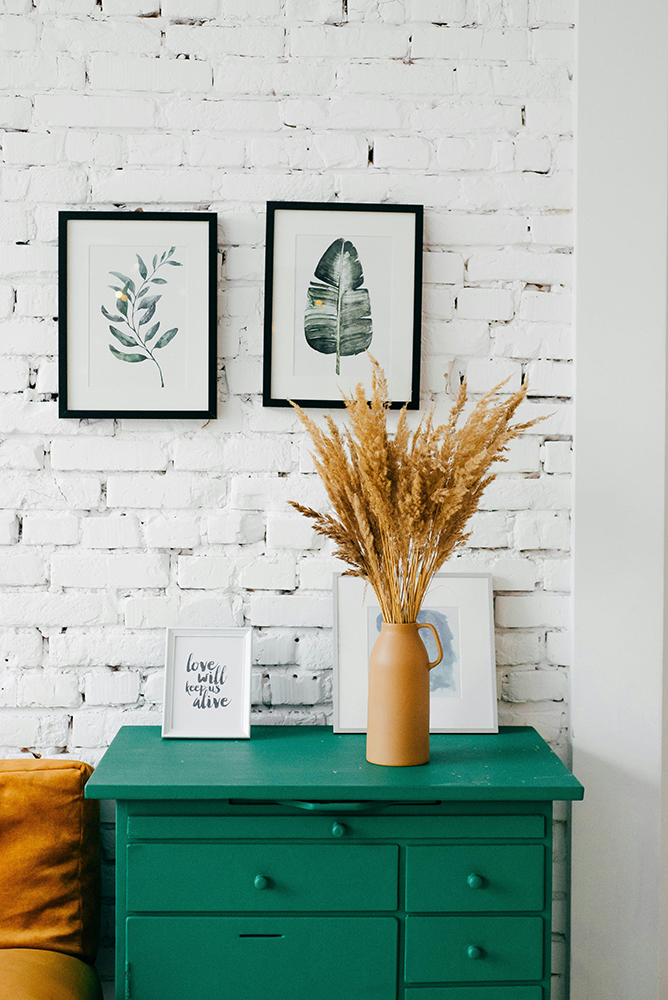
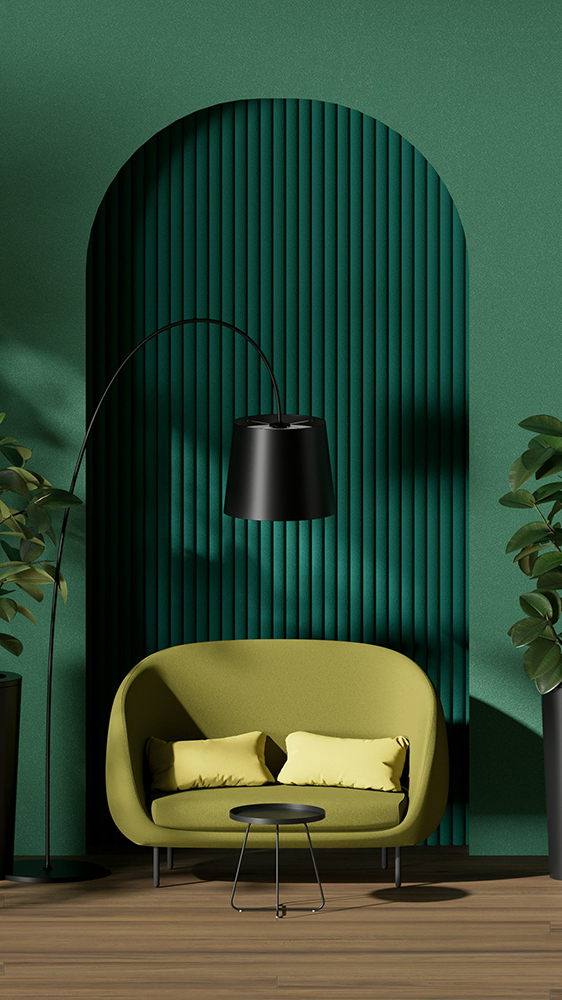
As June settles in and Britain’s gardens reach their most vibrant, there is perhaps no colour more fitting for the season than jade green. Fresh yet sophisticated, calming yet full of life, jade sits comfortably between the softness of sage and the richness of emerald, making it one of the most versatile shades in contemporary interior design. It captures the optimism of summer without overwhelming a space and reflects a growing desire for interiors that feel connected to nature, balanced and restorative.
As homeowners and businesses alike seek spaces that promote wellbeing, productivity and comfort, nature-inspired palettes remain at the forefront of interior trends. Jade green, in particular, offers a refined alternative to more obvious botanical shades. It brings depth and character while retaining a sense of tranquillity that works beautifully across both residential and commercial environments.
From a colour theory perspective, jade green occupies a unique position. Green sits at the centre of the visible colour spectrum, which is one reason it is often perceived as naturally harmonious and easy on the eye. Unlike more stimulating colours such as red or orange, green tends to create a sense of equilibrium. It is associated with growth, renewal and stability, qualities that resonate strongly in interior spaces where people live, work and gather. Jade green takes these associations a step further by introducing subtle blue undertones, which contribute additional feelings of calm, clarity and sophistication.
The psychological impact of colour should never be underestimated. In the home, jade green can create an atmosphere that feels both nurturing and uplifting. It encourages relaxation without becoming sleepy and introduces colour without demanding attention. This balance makes it particularly effective in living rooms, bedrooms and kitchens, where people increasingly seek spaces that support both everyday routines and moments of escape from busy modern life.
The current move towards quieter, more considered interiors has created the perfect environment for shades such as jade. As trends continue to shift away from stark minimalism, designers are embracing layered schemes that combine colour, texture and natural materials to create warmth and personality. Jade green works exceptionally well within this approach. Paired with natural oak, walnut or light stone, it brings an organic quality that feels timeless rather than trend-driven. Combined with linen upholstery, textured wall finishes and handcrafted accessories, it contributes to interiors that feel collected, comfortable and authentic.
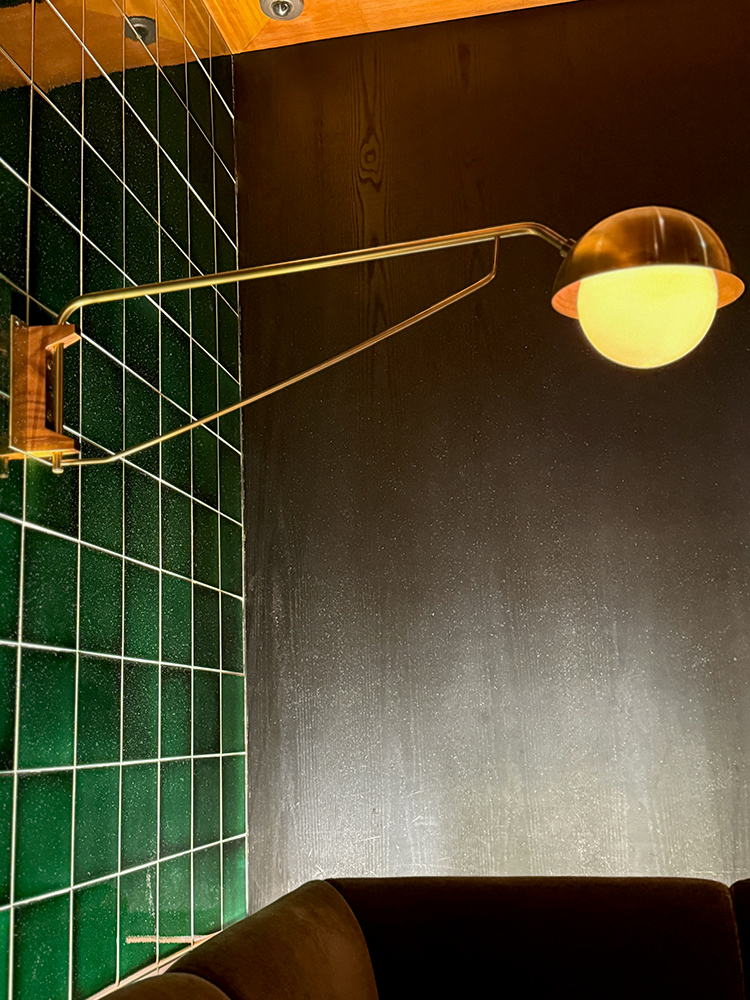
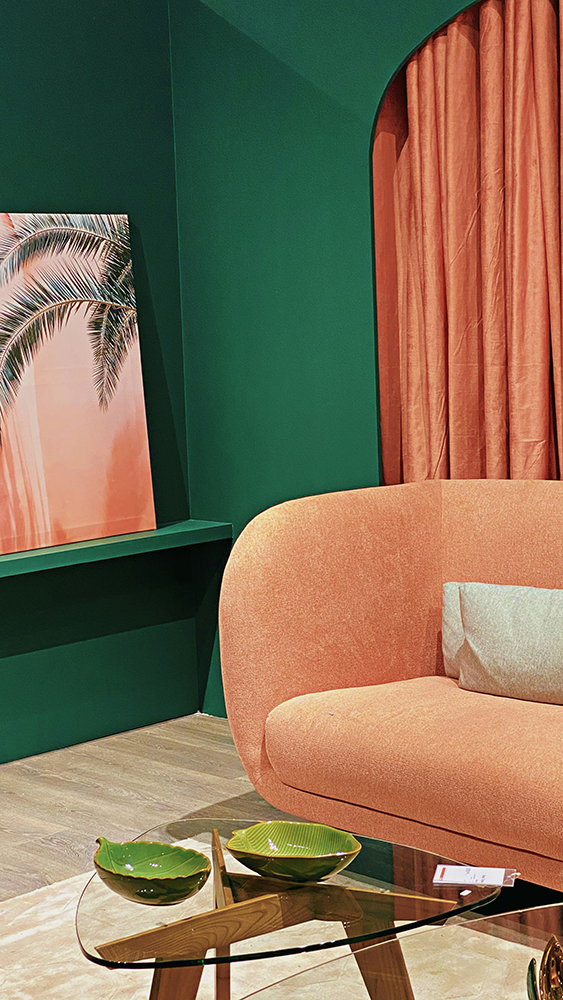
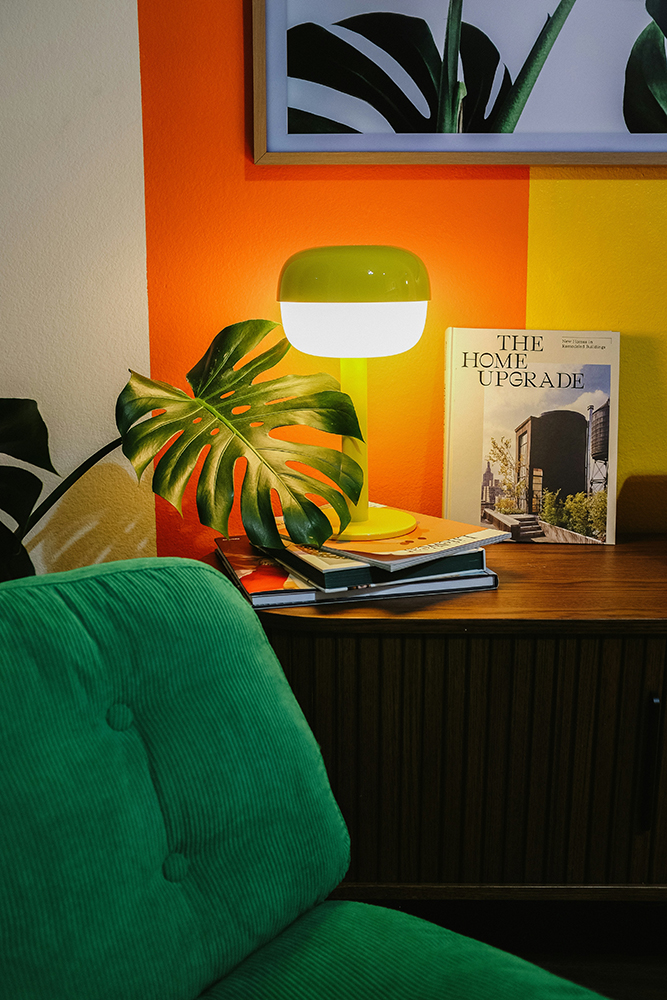
In the home, jade green offers remarkable flexibility. It can be introduced confidently through painted cabinetry, statement furniture or feature walls, but it is equally effective when used more subtly through textiles, artwork and decorative accessories. Unlike stronger greens that can dominate a room, jade has a softness that allows it to coexist comfortably with a wide range of colours. Warm neutrals, creamy whites and sandy tones create a calm and contemporary palette, while accents of terracotta, brass and aged bronze add depth and sophistication. For those seeking a more dramatic scheme, jade pairs beautifully with deeper shades such as charcoal, chocolate brown and midnight blue, reflecting the growing popularity of richer, more layered interiors.
The influence of biophilic design continues to shape both residential and commercial projects, and jade green sits naturally within this movement. As people spend increasing amounts of time indoors, there is a growing emphasis on creating environments that foster a stronger connection to nature. Incorporating green through colour, alongside natural materials and planting, can help soften architectural spaces and create a greater sense of wellbeing. Jade achieves this without feeling overly literal, offering a sophisticated interpretation of the natural world rather than simply mimicking it.
Its benefits are equally relevant in the workplace. The design of offices has evolved significantly in recent years, with employers placing greater importance on employee experience, collaboration and wellbeing. Colour plays a key role in shaping these environments. Research consistently suggests that green can help reduce feelings of stress while supporting concentration and mental clarity. Jade green is particularly effective because it balances professionalism with warmth, creating spaces that feel welcoming without becoming distracting.
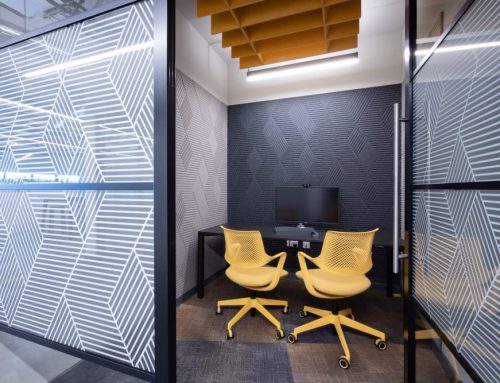
In meeting rooms and collaborative spaces, jade can foster a sense of calm confidence, helping to create environments where ideas can be shared openly and productively. In focused work areas, its restorative qualities can contribute to a more comfortable and less visually fatiguing environment. It also offers an appealing alternative to the cooler corporate palettes that dominated workplace design for many years. When paired with natural timber finishes, acoustic textures and contemporary lighting, jade green helps create offices that feel more human-centred and reflective of modern working culture.
What makes jade especially relevant today is its ability to bridge multiple design trends simultaneously. It supports the continued popularity of biophilic design, complements the move towards warm minimalism and aligns perfectly with the growing appreciation for colour as a tool for enhancing wellbeing. It feels contemporary yet timeless, distinctive yet so easy to live with.